

How to choose the right Ball Bearing 6000 Zz for my application?
Nov 06, 2025
When it comes to selecting the right Ball Bearing 6000 ZZ for your application, there are numerous factors to consider. As a supplier of Ball Bearing 6000 ZZ, I understand the importance of making an informed decision to ensure optimal performance and longevity of your equipment. In this blog post, I will guide you through the key considerations and steps to help you choose the perfect bearing for your specific needs.
Understanding the Basics of Ball Bearing 6000 ZZ
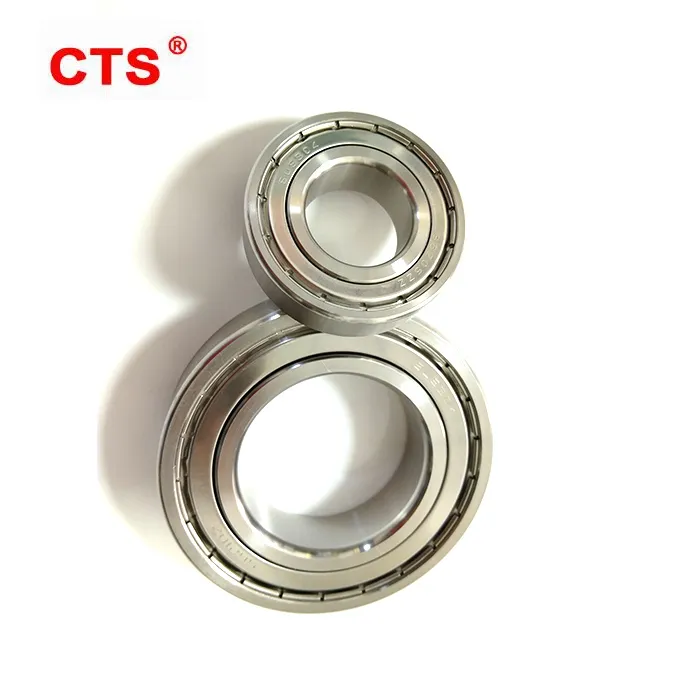
Before delving into the selection process, it's essential to have a clear understanding of what Ball Bearing 6000 ZZ is. The "6000" refers to the bearing's size and series, which is a standard designation in the bearing industry. The "ZZ" indicates that the bearing is equipped with two metal shields on both sides, providing protection against dust and debris while retaining the lubricant inside the bearing.
Ball Bearing 6000 ZZ is a type of deep groove ball bearing, which is one of the most widely used types of bearings due to its simplicity, versatility, and high efficiency. These bearings are designed to support both radial and axial loads and can operate at high speeds with low friction. They are commonly used in various applications, including electric motors, agricultural machinery, conveyors, and household appliances.
Key Factors to Consider When Choosing Ball Bearing 6000 ZZ
Load Capacity
One of the most critical factors to consider when selecting a bearing is its load capacity. The load capacity of a bearing refers to the maximum amount of radial and axial load it can withstand without experiencing excessive wear or failure. To determine the appropriate load capacity for your application, you need to consider the following:

- Radial Load: This is the force acting perpendicular to the shaft axis. You need to calculate the total radial load that the bearing will be subjected to during operation, including the weight of the equipment, the forces generated by the machinery, and any external loads.
- Axial Load: This is the force acting parallel to the shaft axis. Similar to radial load, you need to calculate the total axial load that the bearing will experience.
- Dynamic and Static Load Ratings: Bearings have both dynamic and static load ratings. The dynamic load rating represents the maximum load that a bearing can withstand for a specified number of revolutions without experiencing fatigue failure. The static load rating, on the other hand, represents the maximum load that a bearing can withstand without causing permanent deformation.
Speed Requirements
Another important factor to consider is the speed at which the bearing will operate. Different bearings have different speed limits, which are determined by factors such as the bearing's design, materials, and lubrication. To ensure that the bearing can operate safely and efficiently at the required speed, you need to consider the following:
- Maximum Speed Rating: This is the highest speed at which a bearing can operate without experiencing excessive heat, wear, or vibration. You need to ensure that the maximum speed rating of the bearing is higher than the actual operating speed of your equipment.
- Speed Factor: The speed factor is a dimensionless number that takes into account the bearing's size, type, and operating conditions. It is used to determine the appropriate lubrication and cooling requirements for the bearing.
Lubrication
Proper lubrication is essential for the smooth operation and longevity of a bearing. Lubrication helps to reduce friction, wear, and heat generation, and it also protects the bearing from corrosion and contamination. When choosing a bearing, you need to consider the following lubrication requirements:
- Lubricant Type: There are several types of lubricants available, including grease and oil. Grease is a popular choice for most applications due to its simplicity, long service life, and ability to seal out contaminants. Oil, on the other hand, is preferred for high-speed applications or applications where precise lubrication is required.
- Lubrication Interval: The lubrication interval refers to the frequency at which the bearing needs to be lubricated. This depends on factors such as the operating conditions, the type of lubricant used, and the bearing's design.
- Lubrication Method: There are several methods of lubricating bearings, including manual lubrication, automatic lubrication systems, and pre-lubricated bearings. You need to choose the lubrication method that is most suitable for your application.
Operating Temperature
The operating temperature of a bearing can have a significant impact on its performance and lifespan. High temperatures can cause the lubricant to break down, reduce the bearing's load capacity, and increase the risk of premature failure. To ensure that the bearing can operate safely and efficiently at the required temperature, you need to consider the following:
- Temperature Range: Different bearings have different temperature ranges within which they can operate safely. You need to ensure that the operating temperature of your equipment falls within the temperature range specified by the bearing manufacturer.
- Heat Generation: During operation, bearings generate heat due to friction. You need to consider the amount of heat generated by the bearing and ensure that it can be dissipated effectively to prevent overheating.
- Thermal Expansion: Bearings and their components can expand or contract due to changes in temperature. You need to ensure that the bearing's design and installation allow for thermal expansion without causing excessive stress or damage.
Environmental Conditions
The environmental conditions in which the bearing will operate can also affect its performance and lifespan. Factors such as dust, moisture, chemicals, and vibration can all have a negative impact on the bearing's performance. To ensure that the bearing can withstand the environmental conditions of your application, you need to consider the following:
- Sealing and Protection: Bearings with appropriate seals and shields can provide protection against dust, moisture, and contaminants. You need to choose a bearing with the right type of sealing and protection for your application.
- Corrosion Resistance: If the bearing will be exposed to corrosive environments, you need to choose a bearing made of corrosion-resistant materials, such as stainless steel.
- Vibration and Shock Resistance: Some applications may subject the bearing to high levels of vibration and shock. You need to choose a bearing that is designed to withstand these conditions without experiencing premature failure.
Additional Considerations
Bearing Quality and Brand
The quality and brand of the bearing can also have a significant impact on its performance and lifespan. High-quality bearings are typically made of superior materials, have better manufacturing processes, and undergo more rigorous quality control tests. When choosing a bearing, it's important to choose a reputable brand that has a proven track record of producing high-quality bearings.
Cost
Cost is always a consideration when making a purchasing decision. While it's important to choose a bearing that meets your requirements, you also need to consider the cost-effectiveness of the bearing. You need to balance the cost of the bearing with its performance, lifespan, and reliability to ensure that you get the best value for your money.
Availability and Lead Time
Finally, you need to consider the availability and lead time of the bearing. Some bearings may be in high demand and may have long lead times, which can cause delays in your production schedule. You need to ensure that the bearing you choose is readily available and that the supplier can provide it within the required time frame.
Conclusion
Choosing the right Ball Bearing 6000 ZZ for your application is a critical decision that can have a significant impact on the performance and longevity of your equipment. By considering the key factors discussed in this blog post, such as load capacity, speed requirements, lubrication, operating temperature, and environmental conditions, you can make an informed decision and select the perfect bearing for your specific needs.
As a supplier of Ball Bearing 6000 ZZ, I am committed to providing high-quality bearings that meet the highest standards of performance and reliability. If you have any questions or need assistance in choosing the right bearing for your application, please feel free to contact us for procurement and negotiation. Our team of experts will be happy to help you find the perfect solution for your needs.
References
- "Bearing Selection Handbook," SKF Group.
- "Deep Groove Ball Bearings," NTN Corporation.
- "Ball Bearing Design and Application," Timken Company.