

How to detect early signs of Ucx Bearing failure?
Nov 14, 2025
As a trusted supplier of UCX bearings, I understand the critical role these components play in various industrial applications. Detecting the early signs of UCX bearing failure is essential to prevent costly downtime, reduce maintenance expenses, and ensure the smooth operation of machinery. In this blog post, I will share some valuable insights on how to identify these early warning signs and take proactive measures to address them.
Understanding UCX Bearings
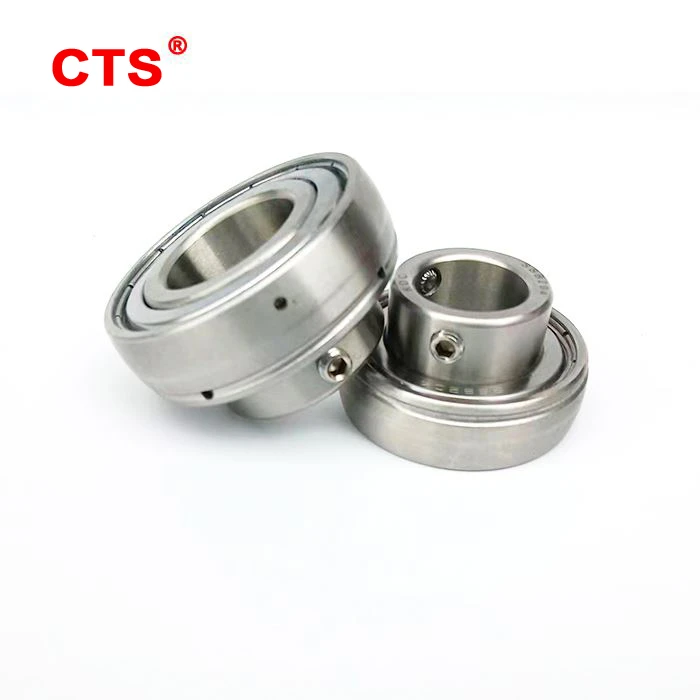
Before delving into the detection of bearing failure, it's important to have a basic understanding of UCX bearings. The UCX Series Insert Bearing is a type of insert bearing designed for use in light to medium-duty applications. These bearings are typically used in conveyors, agricultural equipment, and other machinery where space is limited. They are known for their ease of installation and high load-carrying capacity.
Common Causes of UCX Bearing Failure
Several factors can contribute to the failure of UCX bearings. Understanding these causes can help you identify the early signs of trouble. Some of the most common causes include:
- Lubrication Issues: Insufficient or improper lubrication is one of the leading causes of bearing failure. Without adequate lubrication, the bearing surfaces can experience increased friction, heat, and wear, leading to premature failure.
- Contamination: Dirt, dust, and other contaminants can enter the bearing and cause damage to the rolling elements and raceways. This can lead to increased noise, vibration, and wear.
- Overloading: Exceeding the bearing's rated load capacity can cause excessive stress on the bearing components, leading to fatigue and premature failure.
- Misalignment: Improper alignment of the bearing can cause uneven loading and increased stress on the bearing components. This can lead to premature wear and failure.
- Corrosion: Exposure to moisture, chemicals, or other corrosive substances can cause the bearing to rust and corrode, leading to reduced performance and premature failure.
Early Signs of UCX Bearing Failure
Detecting the early signs of UCX bearing failure can help you take proactive measures to prevent further damage and avoid costly downtime. Here are some common signs to look out for:
- Noise: Unusual noise, such as grinding, squealing, or rattling, can be an indication of bearing damage. This noise may be caused by worn or damaged rolling elements, raceways, or cages.
- Vibration: Excessive vibration can also be a sign of bearing failure. This vibration may be caused by misalignment, imbalance, or worn bearing components.
- Heat: Overheating of the bearing can be a sign of insufficient lubrication, excessive loading, or other problems. You can use a thermal imaging camera or an infrared thermometer to detect excessive heat.
- Leakage: Leakage of lubricant from the bearing can be a sign of a damaged seal or other problems. This can lead to contamination and premature failure of the bearing.
- Visual Inspection: Regular visual inspection of the bearing can help you detect signs of wear, damage, or contamination. Look for signs of rust, corrosion, pitting, or other damage on the bearing surfaces.
Detection Methods
There are several methods you can use to detect the early signs of UCX bearing failure. These methods include:

- Vibration Analysis: Vibration analysis is a non-invasive method of detecting bearing damage. By measuring the vibration levels of the bearing, you can identify changes in the vibration pattern that may indicate bearing damage.
- Temperature Monitoring: Temperature monitoring is another non-invasive method of detecting bearing damage. By monitoring the temperature of the bearing, you can identify changes in the temperature pattern that may indicate bearing damage.
- Lubricant Analysis: Lubricant analysis is a method of detecting contamination, wear, and other problems in the lubricant. By analyzing the lubricant, you can identify changes in the lubricant properties that may indicate bearing damage.
- Ultrasonic Testing: Ultrasonic testing is a non-invasive method of detecting bearing damage. By using ultrasonic waves to detect changes in the bearing structure, you can identify early signs of bearing damage.
- Visual Inspection: Visual inspection is a simple and effective method of detecting bearing damage. By visually inspecting the bearing, you can identify signs of wear, damage, or contamination.
Preventive Maintenance
Preventive maintenance is essential to ensure the long-term performance and reliability of UCX bearings. Here are some preventive maintenance tips:
- Lubrication: Ensure that the bearing is properly lubricated according to the manufacturer's recommendations. Use the correct type and amount of lubricant, and change the lubricant regularly.
- Contamination Control: Keep the bearing clean and free from contaminants. Use appropriate seals and shields to prevent dirt, dust, and other contaminants from entering the bearing.
- Alignment: Ensure that the bearing is properly aligned to prevent uneven loading and increased stress on the bearing components.
- Load Monitoring: Monitor the load on the bearing to ensure that it does not exceed the bearing's rated load capacity.
- Regular Inspection: Regularly inspect the bearing for signs of wear, damage, or contamination. Replace the bearing if necessary.
Conclusion
Detecting the early signs of UCX bearing failure is essential to prevent costly downtime, reduce maintenance expenses, and ensure the smooth operation of machinery. By understanding the common causes of bearing failure, identifying the early warning signs, and using the appropriate detection methods, you can take proactive measures to address these issues and prevent further damage. As a UCX bearing supplier, I am committed to providing high-quality bearings and expert advice to help you keep your machinery running smoothly. If you have any questions or need assistance with bearing selection, installation, or maintenance, please feel free to contact me. I look forward to working with you to meet your bearing needs.
References
- "Bearing Failure Analysis: A Practical Guide" by Michael J. Neale
- "Rolling Bearing Analysis" by Tedric A. Harris
- "Lubrication Fundamentals" by Howard W. Sinnott