

How to install a solid pillow block correctly?
Jul 02, 2025
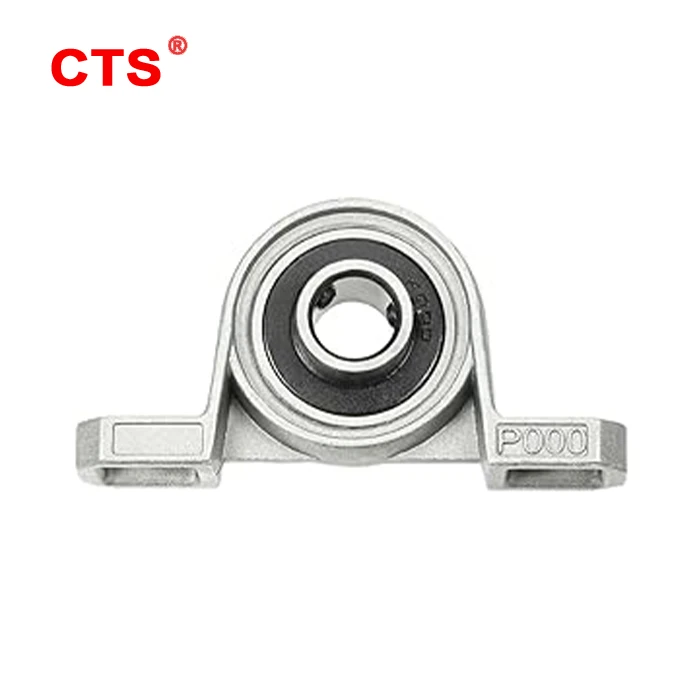
As a trusted solid pillow block supplier, I understand the importance of a proper installation process. A correctly installed solid pillow block not only ensures the smooth operation of machinery but also extends the service life of the bearing. In this blog, I'll guide you through the steps to install a solid pillow block correctly.
Pre - installation Preparation
Before you start the installation, you need to conduct a series of preparatory work. First, check the solid pillow block itself. Inspect the bearing surface for any visible damage, such as scratches, cracks, or rust. Even minor damage can lead to premature failure of the bearing. You can use a magnifying glass to examine the surface more carefully.
Next, measure the shaft and the housing where the solid pillow block will be installed. The shaft diameter should match the inner diameter of the bearing within the specified tolerance. Similarly, the housing bore should be compatible with the outer diameter of the pillow block. Any deviation from the standard dimensions can cause misalignment and excessive wear.
Clean all the components thoroughly. Remove any dirt, debris, or machining chips from the shaft, housing, and the solid pillow block. You can use a clean cloth and a suitable cleaning solvent. For example, a non - corrosive degreaser can effectively remove oil and grease residues. Make sure to dry the components completely before proceeding.
Shaft Preparation
The shaft on which the solid pillow block will be mounted needs to be in good condition. First, check the shaft for straightness. A bent shaft can cause uneven loading on the bearing, leading to early failure. You can use a dial indicator to measure the shaft's straightness. If the shaft is found to be bent, it should be straightened or replaced.

The surface of the shaft should be smooth and free of any burrs or nicks. You can use fine - grit sandpaper to polish the shaft surface gently. This helps to ensure a proper fit between the shaft and the inner ring of the bearing.
Apply a thin layer of lubricant to the shaft surface. This not only eases the installation process but also provides initial lubrication to the bearing. A high - quality bearing lubricant, such as a synthetic grease, is recommended.
Pillow Block Mounting
Place the solid pillow block on the prepared shaft. Make sure the bearing is properly aligned with the shaft. You can use alignment tools, such as a laser alignment system, for more accurate alignment. Misalignment can cause increased friction, heat generation, and vibration, which can significantly reduce the bearing's lifespan.
Once the pillow block is aligned with the shaft, start tightening the set screws or locking mechanisms. If the pillow block uses set screws, tighten them gradually and evenly. Over - tightening can damage the shaft or the bearing, while under - tightening can cause the bearing to slip on the shaft. Refer to the manufacturer's specifications for the recommended torque values.
Housing Installation
After mounting the pillow block on the shaft, it's time to install it in the housing. Place the pillow block into the housing carefully. Ensure that the housing bore is clean and free of any debris. The housing should provide a secure and stable support for the pillow block.
Check the alignment between the pillow block and the housing. The pillow block should fit snugly in the housing without any excessive play. Use shims if necessary to adjust the alignment. Shims can be used to correct small misalignments and ensure that the bearing operates smoothly.
Tighten the housing bolts gradually and evenly. Similar to tightening the set screws on the shaft, following the manufacturer's recommended torque values is crucial. This helps to prevent over - or under - tightening, which can affect the performance of the bearing.
Lubrication
Proper lubrication is essential for the long - term performance of the solid pillow block. After the installation is complete, fill the bearing with the appropriate lubricant. The type of lubricant depends on various factors, such as the operating temperature, speed, and load of the machinery.
For most general - purpose applications, a high - quality grease is a suitable choice. Grease provides good sealing and lubrication properties. Use a grease gun to inject the grease into the bearing through the grease fitting. Make sure to fill the bearing cavity evenly but avoid over - greasing, as it can cause excessive heat generation.
Testing
Once the installation and lubrication are done, conduct a test run of the machinery. Start the machine at a low speed and observe its operation. Listen for any abnormal noises, such as grinding or rattling, which may indicate misalignment or other installation issues.
Check the temperature of the bearing during the test run. A significant increase in temperature can be a sign of improper installation or lack of lubrication. If any problems are detected during the test run, stop the machine immediately and troubleshoot the issue.
Related Products
If you are interested in other types of mounted bearings, we also offer a wide range of products. For example, our Take Up Bearing Unit is designed for applications where adjustment of belt tension is required. The Zinc Alloy Bearing Units KP000 are known for their corrosion - resistance and lightweight. And our Flange Bracket Bearing provides a convenient way to mount bearings in various machinery.
Contact Us for Purchase
If you have any questions about solid pillow block installation or are interested in purchasing our products, please feel free to contact us. Our team of experts is ready to assist you with your needs. Whether you need technical support or want to discuss a bulk order, we are here to help.
References
- "Bearing Installation and Maintenance Handbook", published by a leading bearing manufacturer.
- Industry standards and guidelines for mechanical installation, provided by relevant professional organizations.