

What is the dynamic load rating of UCFL200 bearings?
Oct 23, 2025
As a supplier of UCFL200 bearings, I often encounter inquiries from customers about the dynamic load rating of these bearings. Understanding this crucial parameter is essential for making informed decisions when selecting bearings for various applications. In this blog, we'll delve into what the dynamic load rating of UCFL200 bearings means, why it matters, and how it impacts your equipment's performance.
What is Dynamic Load Rating?
The dynamic load rating of a bearing is defined as the constant radial load that a group of apparently identical bearings can withstand for a rating life of one million revolutions with a 90% probability of survival. In simpler terms, it's the maximum load a bearing can handle over a long period while maintaining its expected lifespan under normal operating conditions.
For UCFL200 bearings, the dynamic load rating is a key specification that indicates the bearing's capacity to support radial loads. Radial loads are forces that act perpendicular to the axis of the bearing. In many industrial applications, such as conveyor systems, agricultural machinery, and HVAC equipment, UCFL200 bearings are subjected to significant radial forces. The dynamic load rating helps engineers and designers determine whether a particular bearing is suitable for a given application.
Importance of Dynamic Load Rating in UCFL200 Bearings
The dynamic load rating is not just a theoretical number; it has real-world implications for the performance and reliability of your equipment. Here are some reasons why it's so important:
1. Equipment Longevity
Using a UCFL200 bearing with a dynamic load rating that is too low for the application can lead to premature failure. When a bearing is overloaded, it experiences excessive wear and tear, which can cause the rolling elements (balls or rollers) to deform or the raceways to develop cracks. This not only shortens the bearing's lifespan but can also lead to costly downtime and repairs. On the other hand, selecting a bearing with an appropriate dynamic load rating ensures that the bearing can handle the expected loads for an extended period, reducing the risk of unexpected failures.
2. Performance Optimization
The dynamic load rating also affects the overall performance of the equipment. A bearing that is properly sized for the load can operate more smoothly and efficiently, reducing friction and energy consumption. This can lead to improved productivity and lower operating costs. In contrast, an underrated bearing may cause vibrations, noise, and increased power consumption, which can negatively impact the performance of the entire system.
3. Safety
In some applications, such as heavy machinery or transportation equipment, the failure of a bearing can have serious safety consequences. By choosing a UCFL200 bearing with a sufficient dynamic load rating, you can ensure the safety of your equipment and the people who operate it.
Factors Affecting the Dynamic Load Rating of UCFL200 Bearings
Several factors can influence the dynamic load rating of UCFL200 bearings. Understanding these factors can help you make more accurate load calculations and select the right bearing for your application.
1. Bearing Design
The design of the UCFL200 bearing, including the size and shape of the rolling elements, the raceway geometry, and the internal clearance, can have a significant impact on its dynamic load rating. For example, bearings with larger rolling elements generally have a higher load-carrying capacity than those with smaller elements. Similarly, bearings with a more optimized raceway design can distribute the load more evenly, reducing stress concentrations and increasing the dynamic load rating.
2. Material Quality
The quality of the materials used in the manufacturing of the bearing also plays a crucial role in determining its dynamic load rating. High-quality materials, such as premium-grade steel, can withstand higher loads and offer better resistance to wear and corrosion. In addition, advanced heat treatment processes can improve the hardness and toughness of the bearing components, further enhancing its load-carrying capacity.
3. Operating Conditions
The operating conditions, such as speed, temperature, lubrication, and contamination, can affect the dynamic load rating of the bearing. High speeds can generate more heat and increase the centrifugal forces acting on the rolling elements, which can reduce the bearing's load-carrying capacity. Similarly, extreme temperatures can cause the material properties of the bearing to change, leading to a decrease in the dynamic load rating. Proper lubrication is essential for reducing friction and wear, and contamination can damage the bearing surfaces and reduce its performance.

Calculating the Required Dynamic Load Rating for Your Application
To determine the required dynamic load rating for your application, you need to consider several factors, including the type and magnitude of the loads, the operating speed, the expected lifespan of the bearing, and the operating conditions. Here are the general steps to follow:
1. Determine the Loads
First, you need to identify the types of loads acting on the bearing, such as radial loads, axial loads, or a combination of both. You also need to calculate the magnitude of these loads. In many cases, the loads can be estimated based on the design of the equipment and the expected operating conditions. However, in some applications, such as those involving dynamic or shock loads, more detailed calculations or testing may be required.
2. Consider the Operating Speed
The operating speed of the bearing can affect its dynamic load rating. As the speed increases, the centrifugal forces acting on the rolling elements also increase, which can reduce the bearing's load-carrying capacity. You need to take this into account when selecting a bearing.
3. Determine the Expected Lifespan
The expected lifespan of the bearing is another important factor to consider. In general, the higher the dynamic load rating, the longer the bearing's lifespan. You need to determine the required lifespan based on the application requirements and the maintenance schedule.
4. Select the Appropriate Bearing
Once you have calculated the required dynamic load rating, you can select a UCFL200 bearing that meets or exceeds this requirement. You should also consider other factors, such as the bearing's accuracy, noise level, and cost, when making your selection.
Related Products and Applications
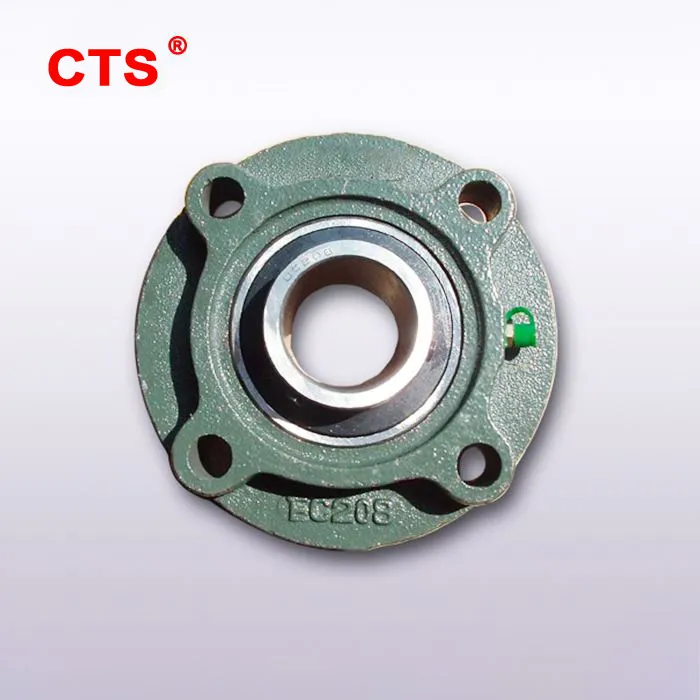
UCFL200 bearings are part of a larger family of mounted bearings that are used in a wide range of applications. Some related products include Four Bolt Flange Cartridge Units, Pillow Block Bearing Units, and Solid Base Pillow Block Bearing. These products offer similar functionality but may have different features and advantages depending on the application.
For example, four bolt flange cartridge units are designed for applications where a secure and stable mounting is required. They are commonly used in conveyor systems, food processing equipment, and industrial machinery. Pillow block bearing units, on the other hand, are ideal for applications where the shaft needs to be supported at a single point. They are often used in agricultural machinery, HVAC systems, and automotive applications. Solid base pillow block bearings provide a more rigid support and are suitable for heavy-duty applications, such as mining equipment and construction machinery.
Conclusion
In conclusion, the dynamic load rating of UCFL200 bearings is a critical parameter that determines the bearing's capacity to support radial loads and its suitability for various applications. By understanding this concept and considering the factors that affect the dynamic load rating, you can make informed decisions when selecting bearings for your equipment.
As a supplier of UCFL200 bearings, I am committed to providing high-quality products and expert advice to help you choose the right bearings for your needs. If you have any questions or need assistance with bearing selection, please don't hesitate to contact me. I look forward to discussing your requirements and working with you to find the best solutions for your applications.
References
- "Rolling Bearing Analysis" by Tedric A. Harris and Michael N. Kotzalas
- "Bearing Engineering Handbook" by SKF
- Manufacturer's catalogs and technical documentation for UCFL200 bearings