

What is the static load rating of UCP bearings?
Nov 07, 2025
Hey there! As a supplier of UCP bearings, I often get asked about the static load rating of UCP bearings. So, I thought I'd take a moment to break it down for you in a way that's easy to understand.
First off, let's talk about what UCP bearings are. UCP bearings, also known as pillow block bearings, are self - aligning ball bearings mounted in a housing. They're commonly used in a wide range of applications, from agricultural machinery to conveyor systems. These bearings are designed to support a shaft and allow it to rotate smoothly while handling both radial and axial loads.
Now, what exactly is the static load rating? The static load rating of a UCP bearing is the maximum load that the bearing can withstand when it's not rotating. This load is typically a combination of radial and axial forces that act on the bearing. It's an important specification because if the static load on a bearing exceeds its static load rating, it can lead to permanent deformation of the bearing's raceways and balls. This deformation can cause the bearing to malfunction, resulting in increased friction, noise, and eventually, bearing failure.
When we're talking about the static load rating, there are a few factors that come into play. One of the main factors is the size of the bearing. Generally speaking, larger bearings have a higher static load rating than smaller ones. This is because they have more contact area between the balls and the raceways, which allows them to distribute the load more evenly.
The material of the bearing also affects the static load rating. High - quality materials can withstand higher loads without deforming. For example, bearings made from premium steel alloys are often able to handle greater static loads compared to those made from lower - grade materials.
Another important factor is the design of the bearing housing. Different types of housing designs can influence how the load is transferred to the bearing. For instance, a Square Flange Bearing Housing provides a stable mounting surface and can help distribute the load more effectively, which can have a positive impact on the overall static load - handling capacity of the bearing.
Let's take a look at some real - world examples to understand the significance of the static load rating. Imagine you're working with a conveyor system that moves heavy packages. The UCP bearings in the conveyor rollers need to support the weight of the packages as they move along the belt. If the static load rating of the bearings is too low, the constant weight of the packages can cause the bearings to deform over time. This can lead to the conveyor belt not running smoothly, which can slow down the entire production process and may even cause damage to other components of the system.
On the other hand, if you choose UCP bearings with a high enough static load rating, they can handle the weight of the packages without any issues. This ensures that the conveyor system runs efficiently and reliably, reducing downtime and maintenance costs.
Now, I want to mention some of the products we offer as a UCP bearing supplier. We have a great selection of Zinc Alloy Bearing Units KP000. These units are known for their durability and good load - handling capabilities. The zinc alloy construction provides a good balance between strength and corrosion resistance, making them suitable for a variety of environments.
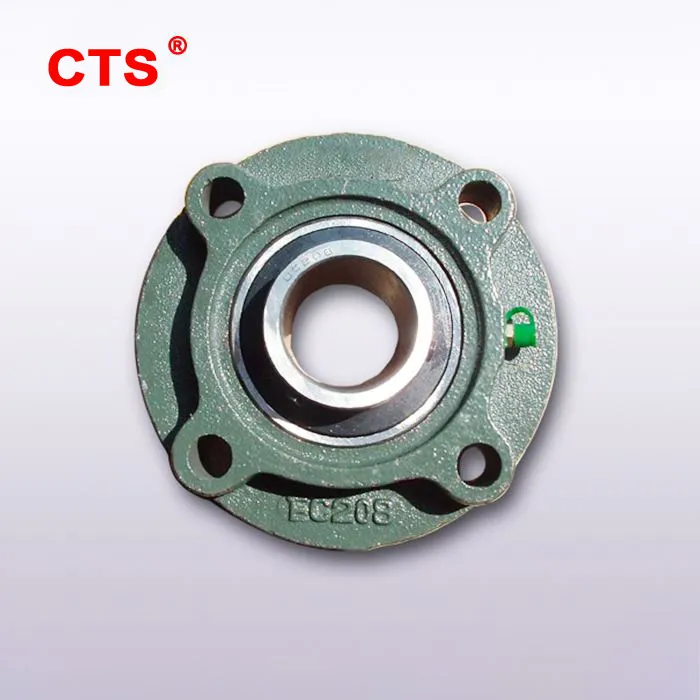
We also have Four Bolt Flange Cartridge Units. These units are designed to provide a secure and stable mounting for the bearing. The four - bolt design helps to evenly distribute the load, which can improve the static load rating of the overall bearing assembly.
When you're selecting UCP bearings for your application, it's crucial to calculate the static load accurately. You need to consider all the forces that will act on the bearing, including the weight of the equipment, any external loads, and the dynamic forces that may occur during operation. There are various engineering handbooks and online calculators available that can help you with this calculation.
Once you've calculated the static load, you can then compare it with the static load ratings of different UCP bearings. Make sure to choose a bearing with a static load rating that is higher than the calculated load to ensure a safety margin. This will help prevent premature bearing failure and ensure the long - term reliability of your equipment.
As a supplier, we understand that every customer's needs are different. That's why we offer a wide range of UCP bearings with different static load ratings to meet various application requirements. Whether you're working on a small - scale project or a large industrial application, we can help you find the right bearing for the job.
If you're in the market for UCP bearings and want to learn more about our products, or if you have any questions about static load ratings or other bearing specifications, don't hesitate to reach out. We're here to assist you with your bearing selection and provide you with the best possible solutions for your applications.
In conclusion, the static load rating of UCP bearings is a critical specification that you need to consider when choosing bearings for your equipment. By understanding how it works and taking the time to select the right bearing with an appropriate static load rating, you can ensure the smooth operation and longevity of your machinery. So, if you're looking for high - quality UCP bearings, give us a chance to help you out.

References
- Machinery's Handbook, 31st Edition
- Bearing Engineering Manuals from major bearing manufacturers