
What Are The Common Maintenance Methods For Mounted Bearings?
Oct 12, 2026
Regular Cleaning
One of the simplest yet most effective maintenance methods is regular cleaning. Dirt, dust, and debris can accumulate on the bearing surfaces over time, which can cause increased friction and wear. You can use a mild detergent and a soft brush to clean the bearing housing and the exposed parts of the bearing. Make sure to rinse it thoroughly with clean water and dry it completely before reinstalling.
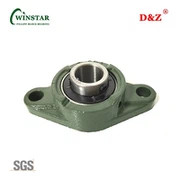
For example, if you're using a Bracket Flange Bearing Unit in a dusty factory environment, cleaning it every few weeks can significantly extend its lifespan. The dirt can get into the bearing's internal components and damage the rolling elements and raceways. By keeping it clean, you're reducing the risk of premature failure.
Lubrication
Lubrication is crucial for the proper functioning of mounted bearings. It reduces friction between the moving parts, dissipates heat, and prevents corrosion. The type of lubricant you choose depends on the application, operating conditions, and the type of bearing.
For most general - purpose mounted bearings, a high - quality grease is a good choice. Grease provides long - lasting lubrication and can protect the bearing from contaminants. You should follow the manufacturer's recommendations regarding the amount and frequency of lubrication.
Let's say you have a Take Up Bearing Unit in a conveyor system. The bearings in this unit are constantly under load and exposed to various environmental factors. Regularly greasing the bearings according to the specified intervals can prevent overheating and excessive wear.
Inspection
Regular inspection is another key maintenance method. You should visually inspect the mounted bearings for signs of wear, damage, or misalignment. Look for things like cracks in the bearing housing, excessive play in the bearing, or discoloration of the rolling elements.
You can also use vibration analysis or temperature monitoring to detect early signs of problems. An increase in vibration or temperature can indicate that there's an issue with the bearing, such as misalignment or a lack of lubrication.
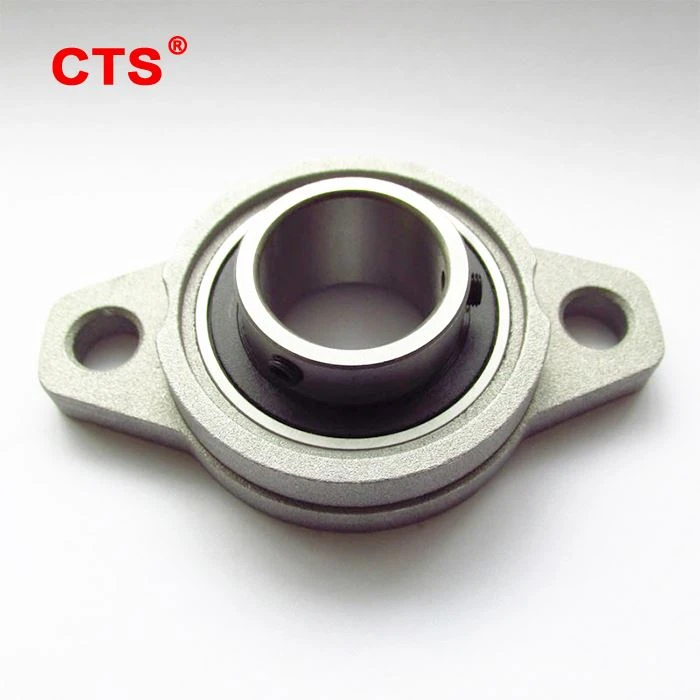
For instance, if you're using Zinc Alloy Bearing Units KFL000 in a food processing plant, you need to inspect them frequently to ensure they're in good condition. Any signs of wear or damage can contaminate the food products, so early detection is essential.

Proper Installation
Proper installation is often overlooked, but it's a critical part of bearing maintenance. Incorrect installation can lead to premature failure, even if you follow all the other maintenance methods. Make sure to follow the manufacturer's installation instructions carefully.
Use the right tools and techniques when installing the mounted bearings. Ensure that the bearing is properly aligned with the shaft and the housing. If the bearing is misaligned, it can cause uneven loading and increased wear.
For example, if you're installing a mounted bearing in a high - speed machine, even a small misalignment can result in excessive vibration and noise, which can damage the bearing and other components of the machine.
Storage
Proper storage of mounted bearings is also important. If you're not using the bearings immediately, store them in a clean, dry place. Protect them from moisture, dust, and other contaminants.
You can use a protective coating or a plastic bag to keep the bearings clean. Make sure to label the bearings with the type, size, and date of storage so that you can easily identify them later.
Training and Education
Lastly, providing training and education to the people who work with mounted bearings is essential. They should know how to properly maintain, install, and inspect the bearings. This can help prevent costly mistakes and ensure the long - term performance of the bearings.
You can organize training sessions or provide written materials to your employees or customers. Teach them about the different types of mounted bearings, their applications, and the proper maintenance procedures.
In conclusion, maintaining mounted bearings is a multi - faceted process that involves regular cleaning, lubrication, inspection, proper installation, storage, and training. By following these common maintenance methods, you can ensure that your mounted bearings perform at their best and have a long lifespan.
If you're in the market for high - quality mounted bearings or need more information about their maintenance, feel free to reach out. We're here to help you find the right solutions for your specific needs and ensure that your equipment runs smoothly.
FAQ
Q: How are tapered bore bearings mounted?
A: Mounted directly onto tapered shafts or cylindrical shafts using tapered sleeves, locking nuts, hydraulic nuts, or oil injection systems to achieve the correct radial clearance reduction.
Q: What diagnostic tools help predict bearing failure?
A: Use condition monitoring tools like vibration analysis, thermography (infrared temperature checks), and acoustic emission sensors to catch wear early.