

Can Ser Bearing be used in a medical device?
Mar 05, 2026
Hey there! As a supplier of Ser Bearings, I often get asked if these bearings can be used in medical devices. It's a great question, and today, I'm gonna dive deep into this topic to give you all the info you need.
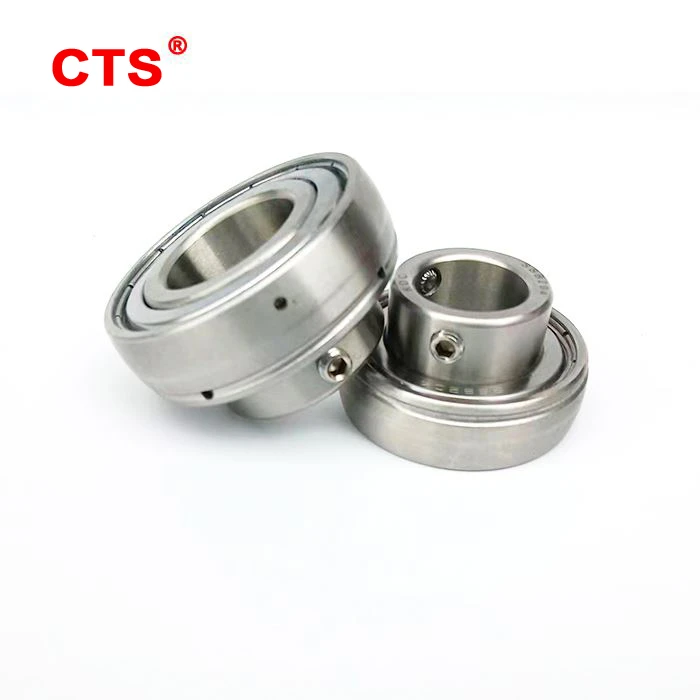
First off, let's talk about what Ser Bearings are. The SER Series Pillow Block Ball Bearings are known for their high - quality construction and reliable performance. They're designed to handle various loads and speeds, which makes them suitable for a wide range of applications.
When it comes to medical devices, there are some strict requirements. Medical devices need to be safe, reliable, and often need to meet certain regulatory standards. For example, they have to be made of materials that are biocompatible, which means they won't cause any adverse reactions when in contact with the human body. They also need to be highly precise, as even the slightest error can have serious consequences in a medical setting.
So, can Ser Bearings meet these requirements? Well, it depends on the specific type of medical device. In some cases, they can be a great fit. Take, for instance, medical equipment that requires smooth rotation, such as surgical robots or diagnostic imaging machines. The Insert Ball Bearing - SB200 Series offers excellent rotational performance, which can be crucial in these types of devices. The low friction and high precision of these bearings ensure that the equipment operates smoothly and accurately.
Another factor to consider is the environment in which the medical device operates. Medical facilities often have strict hygiene standards, so the bearings need to be easy to clean and maintain. Some Ser Bearings are designed with features that make them resistant to corrosion and contamination. This is important because any build - up of dirt or bacteria on the bearings can lead to malfunctions or even pose a risk to patients.
However, not all medical devices can use Ser Bearings. For example, in devices that are implanted directly into the human body, the requirements are much more stringent. Biocompatibility becomes a top priority, and the bearings need to be made of materials that won't be rejected by the body's immune system. In these cases, specialized bearings made from materials like titanium or certain polymers are usually used.
Let's also talk about the CSA Series - Insert Bearing With Eccentric Locking Collar. This type of bearing has a unique locking mechanism that can provide a secure fit. In medical devices where vibration is a concern, such as some types of dental equipment or small surgical tools, the secure locking of the CSA series can prevent the bearing from loosening over time, ensuring the device remains safe and functional.
In addition to the technical aspects, cost is also a consideration. Medical device manufacturers are always looking for ways to balance quality and cost. Ser Bearings can offer a good balance in many cases. They provide reliable performance at a reasonable price, which can be attractive to manufacturers who are trying to keep their production costs down without sacrificing quality.
Now, let's talk about the regulatory side of things. Medical devices are subject to strict regulations around the world, such as the FDA regulations in the United States and the CE marking in Europe. When considering using Ser Bearings in a medical device, the manufacturer needs to ensure that the bearings comply with these regulations. As a supplier, we work closely with our customers to provide them with the necessary documentation and support to meet these regulatory requirements.
When it comes to installation and maintenance, Ser Bearings are generally quite user - friendly. However, in a medical setting, it's even more important to follow proper procedures. We provide detailed installation instructions and offer training to our customers so that they can ensure the bearings are installed correctly. Regular maintenance is also crucial to keep the bearings in good working condition.
In conclusion, Ser Bearings can be used in many types of medical devices, especially those that require smooth rotation, resistance to corrosion, and a secure fit. But for highly specialized medical applications, such as implantable devices, other types of bearings may be more appropriate.
If you're a medical device manufacturer and you're interested in learning more about how our Ser Bearings can fit into your products, I'd love to have a chat with you. We can discuss your specific needs, the technical requirements, and how we can work together to ensure the success of your project. Don't hesitate to reach out for a procurement discussion.
References:

- "Medical Device Engineering Handbook" by John G. Webster
- "Bearing Technology Handbook" by Peter J. McPherson