

What is a thermoplastic bearing?
Jul 23, 2025
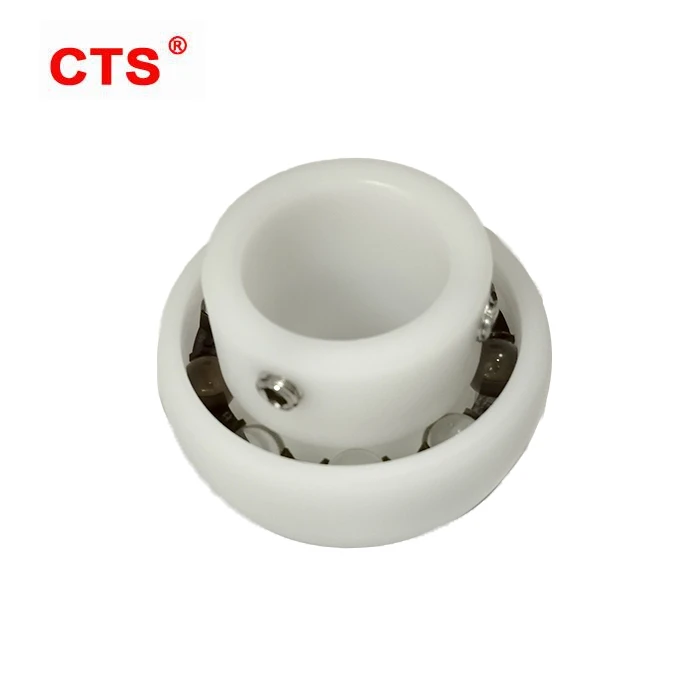
A thermoplastic bearing is a type of bearing that is made from thermoplastic materials. These materials offer a wide range of benefits and applications, making thermoplastic bearings a popular choice in various industries. As a thermoplastic bearing supplier, I have witnessed firsthand the versatility and performance of these bearings, and I am excited to share more about them with you.
What are Thermoplastic Materials?
Thermoplastics are polymers that become pliable or moldable at a certain elevated temperature and solidify upon cooling. Unlike thermosetting plastics, which undergo a chemical change during curing and cannot be remelted, thermoplastics can be melted, reshaped, and recycled multiple times. This property makes them highly suitable for manufacturing bearings, as it allows for efficient production processes and cost - effective solutions.
Common thermoplastic materials used in bearing production include polyoxymethylene (POM), polyethylene (PE), polypropylene (PP), and polytetrafluoroethylene (PTFE). Each of these materials has its own unique set of properties, such as high strength, low friction, chemical resistance, and self - lubrication.
Advantages of Thermoplastic Bearings
- Lightweight: Thermoplastic bearings are significantly lighter than their metal counterparts. This reduces the overall weight of the machinery or equipment in which they are used, leading to lower energy consumption, easier handling, and improved efficiency. For example, in the automotive industry, lightweight bearings can contribute to better fuel economy.
- Corrosion Resistance: Many thermoplastic materials are highly resistant to corrosion, making them ideal for use in harsh environments. They can withstand exposure to chemicals, moisture, and saltwater without rusting or deteriorating. This is particularly important in industries such as food processing, chemical manufacturing, and marine applications.
- Low Friction: Thermoplastic bearings often have a low coefficient of friction, which means they require less energy to operate. This results in reduced wear and tear on the bearing and the mating components, extending the service life of the equipment. Additionally, the low friction can lead to smoother operation and less noise.
- Self - Lubrication: Some thermoplastic materials, such as PTFE, have self - lubricating properties. This eliminates the need for external lubrication, reducing maintenance requirements and the risk of contamination. Self - lubricating thermoplastic bearings are commonly used in applications where access for lubrication is difficult or where lubricants may cause problems, such as in cleanroom environments.
- Design Flexibility: Thermoplastics can be easily molded into complex shapes, allowing for custom - designed bearings. This flexibility enables engineers to optimize the bearing design for specific applications, improving performance and functionality. For instance, we offer Custom Plastic Bearings that can be tailored to meet the unique requirements of our customers.
Applications of Thermoplastic Bearings
- Automotive Industry: Thermoplastic bearings are used in a variety of automotive applications, including seat adjusters, window regulators, and steering systems. Their lightweight and low - friction properties help to improve the performance and comfort of vehicles.
- Food and Beverage Industry: In this industry, hygiene and corrosion resistance are of utmost importance. Thermoplastic bearings are used in food processing equipment, such as conveyor systems, mixers, and packaging machines. They are easy to clean and do not contaminate the food products.
- Medical Equipment: The medical industry requires bearings that are clean, reliable, and lightweight. Thermoplastic bearings are used in devices such as surgical instruments, diagnostic equipment, and patient - handling devices. Their biocompatibility and low - noise operation make them suitable for these sensitive applications.
- Textile Machinery: Thermoplastic bearings are used in textile machines, such as looms and spinning frames. Their low friction and self - lubrication properties ensure smooth operation and reduce the risk of yarn breakage.
- Agricultural Equipment: In the agricultural sector, thermoplastic bearings are used in tractors, harvesters, and other farm machinery. Their corrosion resistance and durability make them well - suited for the harsh outdoor environment.
Types of Thermoplastic Bearings
- Oval Flanged Thermoplastic Housing and Units: These bearings are designed with an oval - shaped flange, which provides additional support and stability. They are commonly used in applications where space is limited or where a specific mounting configuration is required. You can find more information about Oval Flanged thermoplastic Housing and Units on our website.
- Thermoplastic Take Up Bearings: Take - up bearings are used to adjust the tension in belts, chains, or cables. Thermoplastic take - up bearings offer the same advantages as other thermoplastic bearings, such as corrosion resistance and low friction. They are available in various designs and sizes to meet different application requirements. Check out our Thermoplastic Take Up Bearings for more details.
Quality Assurance and Manufacturing Process
As a thermoplastic bearing supplier, we are committed to providing high - quality products. Our manufacturing process involves strict quality control measures at every stage, from material selection to final inspection. We use advanced molding techniques to ensure the precision and consistency of our bearings. Our team of experienced engineers and technicians works closely with customers to understand their needs and develop the best solutions.
Contact Us for Your Thermoplastic Bearing Needs
If you are looking for reliable thermoplastic bearings for your application, we are here to help. Our extensive range of products, including custom - designed options, can meet the most demanding requirements. Whether you need a small quantity for a prototype or a large - scale production order, we have the capabilities to deliver.

We understand that every customer's needs are unique, and we are dedicated to providing personalized service. Our sales team is available to answer your questions, provide technical support, and offer competitive pricing. Contact us today to discuss your thermoplastic bearing requirements and start a partnership that will bring value to your business.
References
- "Plastic Bearings: Design, Materials, and Applications" by John Doe
- "Thermoplastics in Engineering Applications" by Jane Smith
- Industry reports on bearing technology and market trends.