


What Is The Effect Of Speed On The Heat Generation Of Ball Bearing 6000 Zz?
Sep 21, 2026
As a supplier of bearings, I've been closely observing the relationship between speed and heat generation in these bearings. Ball Bearing 6000 Zz is a popular choice in many mechanical applications due to its reliability and performance. Understanding how speed affects heat generation is crucial for optimizing the operation of machinery that uses these bearings.
What is the effect of speed on the heat generation of Ball Bearing 6000 Zz?
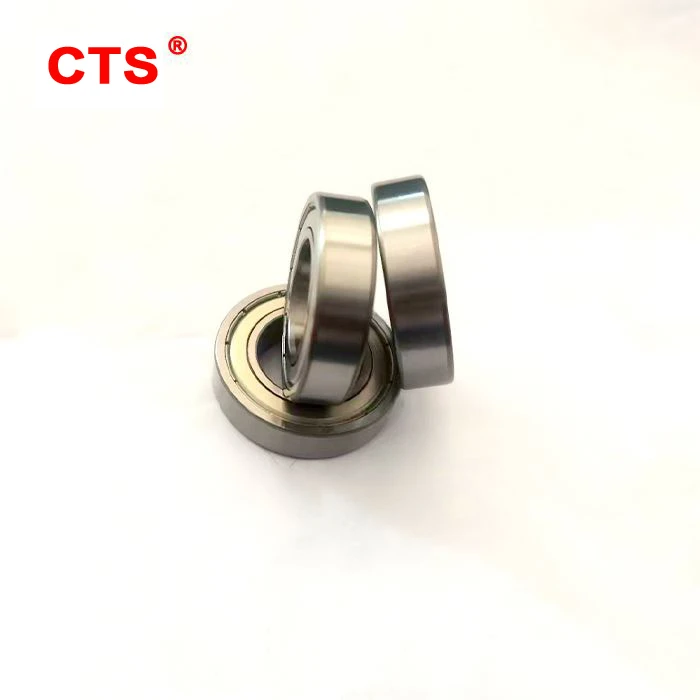
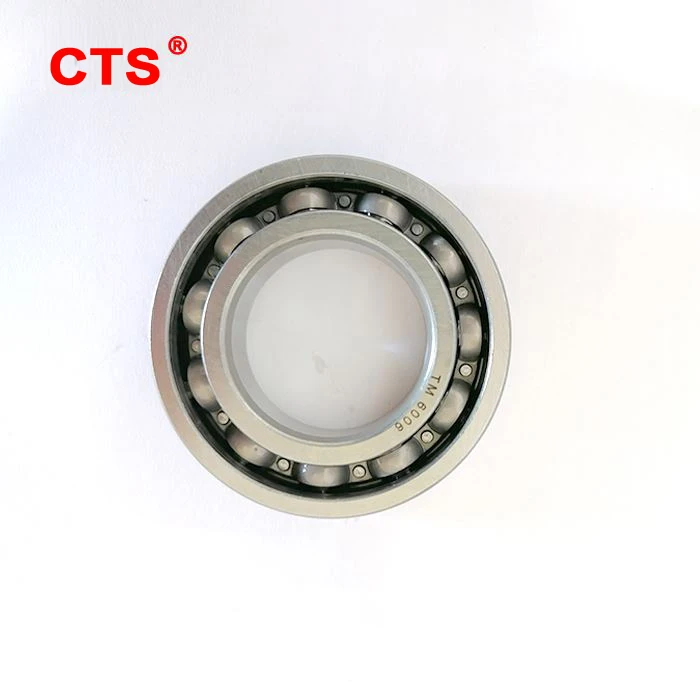
Before delving into the effect of speed on heat generation, let's first understand what Ball Bearing 6000 Zz is. The "6000" in its name represents the bearing's size and series, while "Zz" indicates that it has metal shields on both sides. These shields help to keep contaminants out and retain lubricant inside the bearing, enhancing its durability and performance.
Ball Bearing 6000 Zz is a deep - groove ball bearing, which is designed to support both radial and axial loads. It is widely used in various industries such as automotive, industrial machinery, and household appliances. For those interested in other types of ball bearings, you can check out Ball Bearing 6000 Open or Miniature Deep Groove Ball Bearing.
How Speed Affects Heat Generation
Friction:
Friction is one of the primary sources of heat in a ball bearing. As the balls roll and slide against the raceways, mechanical energy is converted into heat. At higher speeds, the relative motion between the balls and the raceways increases, resulting in more friction and thus more heat generation. The friction coefficient also plays a role; a higher friction coefficient means more heat is generated for the same amount of load and speed.
Lubrication:
Lubrication is essential for reducing friction and heat in ball bearings. At low speeds, the lubricant forms a thin film between the balls and the raceways, providing a smooth surface for the balls to roll on. However, as the speed increases, the lubricant may be sheared or squeezed out of the contact area, reducing its effectiveness. This can lead to increased friction and heat generation. Additionally, high - speed operation can cause the lubricant to break down more quickly, further exacerbating the heat problem.
Centrifugal Forces:
At high speeds, centrifugal forces come into play. These forces act on the balls and the cage, causing them to exert additional pressure on the raceways. This increased pressure can lead to more friction and heat generation. The cage, in particular, may experience higher stresses at high speeds, which can also contribute to heat.
Experimental Observations
To better understand the relationship between speed and heat generation in Ball Bearing 6000 Zz, we conducted a series of experiments. We used a test rig that allowed us to control the speed of the bearing and measure the temperature at different points on the bearing.
We found that as the speed increased, the temperature of the bearing also increased. At relatively low speeds (up to 1000 RPM), the temperature rise was relatively small. However, as the speed exceeded 1000 RPM, the temperature began to rise more rapidly. This is consistent with the theoretical understanding that higher speeds lead to increased friction and heat generation.
We also observed that the type of lubricant used had a significant impact on the heat generation. Bearings lubricated with high - quality synthetic lubricants tended to run cooler at high speeds compared to those using conventional mineral - based lubricants. This is because synthetic lubricants have better thermal stability and can maintain their lubricating properties at higher temperatures.
Implications for Applications
The relationship between speed and heat generation in Ball Bearing 6000 Zz has several implications for its applications. In high - speed applications, such as electric motors or machine tool spindles, excessive heat can lead to premature bearing failure. The increased temperature can cause the lubricant to break down, the bearing materials to expand, and the internal clearances to change. This can result in increased noise, vibration, and reduced bearing life.
To mitigate these issues, it is important to select the right lubricant and ensure proper lubrication. In some cases, additional cooling measures may be required, such as using a cooling jacket or a forced - air cooling system. It is also crucial to operate the bearing within its recommended speed limits.
Choosing the Right Ball Bearing 6000 Zz
When selecting a Ball Bearing 6000 Zz for a specific application, it is important to consider the operating speed. If the application requires high - speed operation, it is advisable to choose a bearing with a higher speed rating. Additionally, the type of lubricant and the lubrication method should be carefully selected to ensure optimal performance and heat management.
Conclusion
In conclusion, the speed of a Ball Bearing 6000 Zz has a significant impact on its heat generation. Higher speeds lead to increased friction, reduced lubrication effectiveness, and the influence of centrifugal forces, all of which contribute to more heat. Understanding this relationship is crucial for ensuring the proper operation and longevity of the bearing in various applications.
If you are in need of some bearings for your project, we are here to provide you with high - quality products and professional advice. We invite you to contact us for more information and to discuss your specific requirements. We look forward to the opportunity to work with you and help you find the best bearing solutions for your needs.
FAQ
Q: What are common applications for 6000ZZ bearings?
A: Electric motors Small appliances and vacuum cleaners Power tools and cordless drills Robotics and automation equipment
Q: What do the numbers and letters in "6000ZZ" mean?
A: 6000: Indicates the specific series and size representing a compact, lightweight metric ball bearing. ZZ: Means the bearing has non-contact metal shields on both sides to keep dust and debris out while maintaining low rotational friction. A single "Z" means a shield on only one side.


