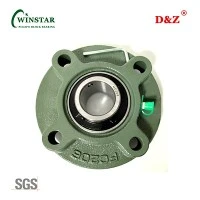

What Is The Torque Specification For Insert Bearing Installation?
Jun 18, 2026
Yo everyone! As a long - time insert bearings supplier, We are often asked a ton of questions about insert bearing installation. One question that pops up more often than you'd think is, "What is the torque specification for insert bearing installation?"
The significance of torque specifications
First off, let's understand why torque specification is such a big deal. When we're installing insert bearings, getting the right torque is crucial. If the torque is too low, the bearing might not be properly secured. This can lead to the bearing shifting during operation, which causes vibrations, premature wear, and reduced performance of the whole machinery. On the other hand, if the torque is too high, it can damage the bearing, the shaft, or the housing. So, it's like walking a tightrope; we need to hit that sweet spot.
Now, torque specifications aren't one - size - fits - all. They depend on a bunch of factors. The size of the bearing is a major one. Smaller bearings generally require less torque compared to larger ones. The type of locking mechanism is also important. Different locking methods have different torque requirements. For example, set - screw locking and eccentric locking collars have their own unique torque needs.
An introduction to insert bearings
Let's take a look at some of the insert bearings we supply.
UCX Series Insert Bearing
The UCX Series Insert Bearing is a popular choice in many industrial applications. This series is known for its reliability and durability. When it comes to installing this bearings, the torque specification can vary depending on the size of the bearing and the specific application.
Typically, for smaller UCX bearings with a bore diameter of around 1 - 2 inches, the recommended torque for the set - screws ranges from 20 - 30 ft - lb. As the bore diameter increases, say to around 3 - 4 inches, the torque specification might go up to 40 - 50 ft - lb. However, it's super important to refer to the manufacturer's guidelines. Sometimes, the application might require a bit more or less torque, like if the machinery operates in a high - vibration environment or under heavy loads.
HC200 Series Insert Bearing
The HC200 Series Insert Bearing is another great option we offer. This series is designed for high - speed and high - load applications. Due to its design and intended use, the torque specifications for the HC200 series are generally higher than some other series.
For HC200 bearings, if you're using an eccentric locking device, the torque values can be quite different. For a medium - sized HC200 bearing with a bore diameter of about 2.5 inches, the recommended torque for the eccentric locking collar might be around 60 ft - lb. But again, this can change based on factors like the surface finish of the shaft and the amount of pre - load you want to apply.
CSA Series - Insert Bearing With Eccentric Locking Collar
The CSA Series - Insert Bearing With Eccentric Locking Collar is unique because of its eccentric locking collar. This locking method provides a secure and easy - to - install solution. When installing CSA series insert bearings, the torque for the eccentric locking collar is a critical factor.
For a CSA bearing with a smaller bore, like 1.5 inches, a torque of around 30 - 35 ft - lb is usually appropriate. As the bore size gets larger, say 3.5 inches, the torque might need to be around 65 - 70 ft - lb. It's essential to use a torque wrench to ensure you're applying the correct amount of torque. A simple click - type torque wrench is a great tool for this job. It'll let you know as soon as you've reached the specified torque, preventing over - or under - tightening.


Other points to note
Understanding and following the correct torque specifications is just one part of the installation process. Before installing the insert bearing, make sure the shaft and housing are clean and free of any debris or burrs. A dirty or rough surface can affect the seating of the bearing and the effectiveness of the locking mechanism. Also, check the alignment of the shaft and housing. Misalignment can cause uneven stress on the bearing, leading to early failure.
When it comes to actually applying the torque, always use the right tools. If you're working with set - screws, a good quality hex key that fits the screws properly is a must. Using a worn - out or ill - fitting tool can strip the screws, which is a real pain in the neck.
In addition to following the torque specs during installation, it's also a good idea to do some post - installation checks. After running the machinery for a short period, stop it and re - check the torque. Sometimes, the initial running can cause the bearing to settle a bit, and the torque might need to be adjusted slightly.
Please contact us
If you're still not sure about the torque specifications for your specific insert bearing installation, don't hesitate to reach out to us. We've got a team of experts who can help you figure it all out. Whether you're a small - scale workshop or a large industrial plant, we're here to support you.
We understand that every application is unique, and that's why we offer a wide range of this bearings to meet different needs. Our goal is to provide you with high - quality products and the knowledge to install and maintain them properly. So, if you're in the market for insert bearings or need more information about torque specifications, just drop us a line. We're ready to have a chat and help you make the best choices for your machinery.
In conclusion, getting the torque specification right for this bearing installation is key to ensuring the long - term performance and reliability of your equipment. By understanding the factors that affect torque and following the manufacturer's guidelines, you can avoid a lot of headaches down the road. And remember, we're here to be your go - to insert bearings supplier. So, if you have any questions or are ready to place an order for your next project, let's start the conversation!
References
Bearing Installation Handbook, General Bearing Manufacturers Association
Industrial Machinery Maintenance Guide, McGraw - Hill Professional