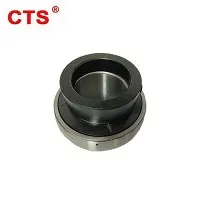

How to check the quality of a pillow block bracket?
Mar 05, 2026
Hey there! As a pillow block bracket supplier, I know how crucial it is to ensure the quality of these components. In this blog, I'll share some practical tips on how to check the quality of a pillow block bracket.

1.Visual Inspection
First off, a simple visual inspection can tell you a lot. Take a good look at the bracket. Check for any visible cracks, dents, or scratches. These could be signs of damage during manufacturing or transportation. A high - quality pillow block bracket should have a smooth finish. Rough edges or uneven surfaces might indicate poor workmanship.
For example, if you're looking at a Solid Base Pillow Block Bearing, the base should be flat and free of any deformities. Any warping or bending can affect the performance of the bearing and the overall stability of the bracket.
2. Material Quality
The material used in the pillow block bracket plays a huge role in its quality. Different materials have different properties, and you need to make sure the material suits your application.
Common materials for pillow block brackets include cast iron, steel, and zinc alloy. Cast iron is known for its high strength and durability. It can withstand heavy loads and is resistant to wear and tear. Steel is also a popular choice as it offers good strength and is relatively lightweight. Zinc alloy, on the other hand, is corrosion - resistant and can be used in environments where moisture is a concern.
If you're considering a Zinc Alloy Bearing Units KP000, check the alloy composition. A high - quality zinc alloy will have the right balance of elements to ensure its performance. You can look for certification or material test reports to confirm the quality of the material.


3. Dimensional Accuracy
Accurate dimensions are essential for a pillow block bracket to fit properly in your equipment. Check the key dimensions such as the bore size, outer diameter, and the width of the bracket. Any deviation from the specified dimensions can lead to problems such as improper fitting, increased friction, and premature wear.
Use a caliper or a micrometer to measure the dimensions. Compare the measured values with the manufacturer's specifications. If there are significant differences, it could be a sign of a low - quality product. For instance, if the bore size is too large or too small, the bearing may not fit correctly, which can cause the equipment to malfunction.
4. Surface Hardness
The surface hardness of the pillow block bracket is important for its wear resistance. A harder surface can withstand more friction and abrasion, which means a longer lifespan for the bracket.
You can use a hardness tester to check the surface hardness. There are different types of hardness tests, such as the Rockwell or Brinell test. A high - quality bracket should have a consistent hardness across its surface. If there are soft spots, it could indicate poor heat treatment or an inferior material.

our casey
Lorem ipsum dolor sit amet consectetur adipisicing elit.

5. Bearing Fit
The pillow block bracket is designed to hold a bearing, so the fit between the bracket and the bearing is crucial. The bearing should fit snugly into the bracket without any play.
Check the inner diameter of the bracket where the bearing is seated. It should match the outer diameter of the bearing precisely. If there is too much clearance, the bearing may move around, causing vibrations and noise. On the other hand, if the fit is too tight, it can lead to excessive stress on the bearing and premature failure.
6. Lubrication and Sealing
Proper lubrication and sealing are essential for the smooth operation of the bearing within the pillow block bracket. Check if the bracket has provisions for lubrication, such as grease fittings. The seals should be in good condition to prevent dirt, dust, and moisture from entering the bearing.
A well - sealed bearing will have a longer lifespan and perform better. If the seals are damaged or missing, it can lead to contamination of the bearing, which can cause it to fail prematurely.


7. Load - Carrying Capacity
Consider the load - carrying capacity of the pillow block bracket. This is determined by the material, design, and dimensions of the bracket. Make sure the bracket can handle the load requirements of your application.
If you're using a Square Flange Bearing Housing, check the manufacturer's specifications for the load - carrying capacity. Overloading the bracket can lead to deformation, cracking, and ultimately, failure.
8. Performance Testing
If possible, perform some performance tests on the pillow block bracket. This could include running the equipment with the bracket installed and monitoring its performance. Look for any signs of vibration, noise, or overheating.
You can also measure the temperature of the bearing during operation. A significant increase in temperature could indicate a problem with the bracket, such as improper fitting or lack of lubrication.

Conclusion
Checking the quality of a pillow block bracket is a multi - step process. By following these tips, you can ensure that you're getting a high - quality product that will perform well in your application.
If you're in the market for pillow block brackets, we're here to help. We offer a wide range of high - quality products that meet strict quality standards. Whether you need a Solid Base Pillow Block Bearing, Zinc Alloy Bearing Units KP000, or Square Flange Bearing Housing, we've got you covered. Contact us to discuss your requirements and start a procurement discussion.
References
Machinery's Handbook, 31st Edition
Bearing Engineering Handbook
p205 bearing housing