
Can press steel bearing units be used in mining equipment?
Nov 03, 2026
If you've ever spent time around a mine site, you know mining equipment runs on grit and reliability. Conveyors stretch for miles, crushers shake with every rock they process, and haul trucks carry loads that would make any other machine groan. For years, many in the industry reached for cast iron bearings and housings-sturdy, yes, but heavy, costly to replace, and often slower to adapt to the rough, variable conditions underground or on open-pit sites. That's where a question comes up again and again: can pressed steel housed bearing units hold their own in this harsh environment? As a supplier of these units, I've spent years answering that question for mine operators, maintenance managers, and equipment designers. The short answer? Absolutely-when you pick the right units for the job. But let's break down why press steel bearings aren't just a backup option, but a smart choice for many mining applications.
what are the press steel bearing units
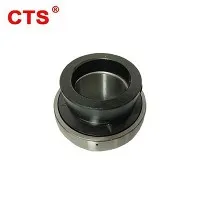
First, let's get clear on what pressed steel housed bearing units are. Unlike cast iron units, which are molded from molten metal and thick enough to withstand general wear, press steel housings are made from thin, formed steel sheets pressed into shape. That makes them far lighter than their cast counterparts-sometimes up to 50% lighter for the same load capacity. For mining, that weight saving isn't just a convenience; it cuts down on the labor needed to replace units, a big deal when working on a 50-foot conveyor or under the chassis of a 200-ton haul truck. Less weight also means less stress on the equipment's frame, reducing the risk of secondary damage to surrounding parts. But weight isn't the only draw. Press steel housings can be precision-engineered to fit specific equipment mounts, which is a huge advantage for mining that requires custom tweaks.
Advantages of Using the Bearings in Mining Equipment

durability
Let's talk about the biggest worry for mining: durability. Mining environments are full of contaminants-rock dust, mud, water, and even fine metal shavings from processing. These particles can work their way into bearings, causing premature wear, overheating, and failure. For a press steel unit to work here, it needs the right seals and surface coatings, not just the housing itself. Modern press steel units often come with triple-lip seals or labyrinth seals that are designed to block out exactly the kind of debris you'd find on a mine site. Unlike cast iron, which can crack under sudden impacts (like a rock falling on a conveyor roller housing), press steel can flex slightly, absorbing small shocks without breaking. That flexibility is a game-changer for conveyor systems, where rollers are constantly jostled by material flow.
Conveyor systems
Now, let's look at specific mining applications where press steel units excel. Conveyor systems are the backbone of any mine. They're long, have dozens of bearing points, and require frequent maintenance to keep material moving. Here, pressed steel 3 bolt flanged bearing units, like the ones we supply at [Pressed Steel Housing 3 Bolt Flang Bearing Units], are a perfect fit. Their lightweight design makes replacing a conveyor roller bearing much faster-no need for heavy equipment to lift a bulky cast housing. The 3 bolt flange design also installs easily into standard conveyor mounts, so you don't have to modify the equipment extensively. On a conveyor line with 1,000+ bearing points, that time saved adds up to less downtime, which directly translates to more material mined and moved every day.


Crushing System
Crusher systems, on the other hand, are some of the hardest working machines in mining. They handle heavy, uneven loads, and are exposed to constant vibration. For these applications, press steel round flange units-like our SAPF2/SBPF2 pressed steel round flange units-are ideal. Their round shape distributes load evenly across the housing, and the pressed steel construction is rigid enough to handle the repeated shocks from crushing rock. Unlike cast iron, which can develop micro-cracks from constant vibration that turn into major failures over time, press steel holds up to that stress without the same risk of internal cracking. We've seen these units stand up in primary crushers for years, even in mines with highly abrasive ore.
Specific advantages of press steel bearing units

limits
You might be wondering: are there limits to Pressed steel housed bearing units in mining? The honest answer is yes, they aren't for every job. For ultra-heavy-duty applications, like the main shaft bearings on a haul truck's wheel hub, cast iron or even steel block bearings still reign supreme. Those applications need extreme load capacity that pressed steel, with its thinner walls, can't match. But for 80% of the bearing points on most mining equipment-conveyors, feeders, augers, small crushers, and auxiliary drives-press steel units are more than capable. The key is choosing the right type for the job, and pairing them with the right accessories, like heavy-duty seals and corrosion-resistant coatings, to extend their lifespan.

cost-effectiveness
Another big advantage of press steel units is their cost-effectiveness. They're cheaper to manufacture than cast iron, so the upfront price is lower. And because they're lighter and easier to install, maintenance teams can replace them faster, reducing costly downtime. On a mine site, every hour of downtime can cost tens of thousands of dollars, so cutting that maintenance time is just as important as the part price. We've had customers tell us that even though a cast iron bearing might seem "stronger," the total cost over two years-parts plus labor-ends up being 25% higher than using pressed steel units for their conveyor systems.

Corrosion resistance
Corrosion resistance is also a factor, especially in mines near water or where washing processes are part of ore processing. Press steel housings can be coated with powder paint or galvanized to resist rust, which is a big upgrade from uncoated cast iron that can corrode quickly in wet, muddy conditions. The seals we mentioned earlier also play a role here; keeping water and mud out prevents the bearing itself from rusting, which is a common cause of failure in wet mining environments.
how do you make the bearing work for your specific mining equipment?
So how do you make Pressed steel housed bearing units work for your specific mining equipment? It starts with assessing the application's load, environment, and maintenance schedule. If you're dealing with a conveyor in a dry, dusty open-pit mine, a pressed steel 2 bolt flange unit like our SAPFL2/SBPFL2 pressed steel oval housing units might be the perfect fit. Their oval design fits narrow conveyor mounts, and their compact size takes up less space, which is helpful in tight areas. For underground mines, where space is often limited and ventilation is important, the lightweight nature of press steel units also makes them easier to handle in confined spaces, reducing safety risks for maintenance workers.
We've learned over the years that the best results come from matching the unit to the task, not just going with the "traditional" choice. A lot of mine engineers have stuck with cast iron out of habit, but once they test press steel units in a low-stakes area-like a secondary conveyor or a feeder-they see the benefits and start switching more parts over. We recently worked with a copper mine in Arizona that replaced all 120 of their conveyor roller bearings with pressed steel units over six months. They reported a 40% drop in bearing-related downtime and saved over $18,000 in labor costs in the first year alone. That kind of return is hard to ignore.
Of course, no bearing unit will last forever in mining. The key is choosing one that lasts long enough between replacements to keep operations running smoothly, without breaking the bank. Press steel units, when specified correctly, can last anywhere from 18 to 36 months in most mining applications-longer if you add extra protection like custom seals or coatings. That's comparable to many cast iron units, but with the added benefits of lighter weight, easier installation, and lower total cost.
conclution
At the end of the day, the question isn't whether press steel bearing units can be used in mining equipment-it's whether they should be. For most applications, the answer is a resounding yes. They offer a winning combination of durability, cost savings, and ease of maintenance that's hard to beat. If you're looking to upgrade your mining equipment's bearings or replace worn-out units and want to learn more about which pressed steel option is right for your operation, we're here to help. We work with mine operators, maintenance teams, and equipment designers to find the perfect solution, whether that's a 3 bolt flange unit for conveyors, a round flange unit for crushers, a pillow block for augers, or an oval housing for tight spaces. Reach out to our team to discuss your needs and find the right bearing units for your mining equipment.
FAQ
Q: Are pressed steel pillow block bearings suitable for all mining equipment?
A:They are recommended for light to medium load, low shock positions, mainly for conveyor rollers, belt return idlers, light feeders.
Q: What seal type should we choose for mining dusty & wet conditions?
A: Standard single lip seal is NOT enough. We suggest **double lip seal or triple labyrinth combined seal**. It blocks rock dust, sand and splashing water effectively.
Q: What is the re-greasing cycle in mines?
A: - Open pit, heavy dust: every 7~14 days
- Underground, high humidity & dust: every 7 days Sealed-for-life type without grease nipple is NOT recommended for long-term continuous mining running.
sales@winstarbearing.com
+86 16632960682