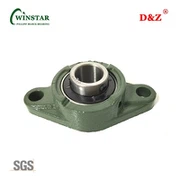

How to measure the dimensions of split plummer block housings accurately
Aug 07, 2026
Accurately measuring the dimensions of split plummer block housings is a critical task, especially for a supplier like me. In the industrial world, these housings play a vital role in supporting rotating shafts and ensuring smooth operation of machinery. Precise measurements are essential to guarantee proper fit, alignment, and performance. In this blog, I will share some effective methods and considerations for measuring the dimensions of split plummer block housings accurately.
Understanding the Importance of Accurate Measurements
Before delving into the measurement techniques, it's crucial to understand why accurate measurements matter. Split plummer block housings are designed to house bearings and support shafts. Any deviation in the dimensions can lead to misalignment, increased friction, premature wear, and even equipment failure. For example, if the bore diameter is too large, the bearing may not fit snugly, causing it to move and generate excessive heat. On the other hand, if the bore diameter is too small, the bearing may be damaged during installation. Therefore, accurate measurements are essential to ensure the proper functioning of the machinery and to avoid costly repairs and downtime.
Tools for Measuring Split Plummer Block Housings
To measure the dimensions of split pillow block housings accurately, you will need the right tools. Here are some commonly used tools
Calipers
Calipers are one of the most versatile tools for measuring dimensions. They can be used to measure the bore diameter, outer diameter, width, and other dimensions of the housing. There are two types of calipers: vernier calipers and digital calipers. Vernier calipers are more traditional and require some skill to read accurately, while digital calipers provide a more precise and easy-to-read measurement.
Micrometers
Micrometers are used for measuring very small dimensions with high precision. They are particularly useful for measuring the bore diameter and the thickness of the housing walls. There are different types of micrometers, such as outside micrometers, inside micrometers, and depth micrometers.


Height Gauges
Height gauges are used to measure the height of the housing and the distance between different surfaces. They are especially useful for ensuring the proper alignment of the housing.
Surface Plates
Surface plates provide a flat and stable surface for measuring the housing. They are used in conjunction with other measuring tools to ensure accurate measurements.
Measuring the Bore Diameter
The bore diameter is one of the most critical dimensions of a housing. It determines the size of the bearing that can be installed in the housing. To measure the bore diameter accurately, follow these steps
Clean the Bore
Before measuring the bore diameter, make sure the bore is clean and free of any debris or contaminants. Use a clean cloth or a brush to remove any dirt or oil from the bore.
Select the Right Measuring Tool
Depending on the size of the bore, you can use a caliper or a micrometer to measure the diameter. For smaller bores, a micrometer is more accurate, while for larger bores, a caliper may be sufficient.
Take Multiple Measurements
To ensure accuracy, take multiple measurements at different points along the bore. This will help you identify any variations in the diameter and ensure that the bore is round.
Calculate the Average
Once you have taken multiple measurements, calculate the average diameter. This will give you a more accurate representation of the bore diameter.
Measuring the Outer Diameter
The outer diameter of the split plummer block housing is also an important dimension. It determines the size of the mounting surface and the clearance between the housing and the surrounding components. To measure the outer diameter accurately, follow these steps
Clean the Outer Surface
Similar to measuring the bore diameter, make sure the outer surface of the housing is clean and free of any debris or contaminants.
Select the Right Measuring Tool
You can use a caliper or a micrometer to measure the outer diameter. For larger housings, a caliper may be more convenient, while for smaller housings, a micrometer may provide more accurate measurements.
Take Multiple Measurements
Take multiple measurements at different points around the outer circumference of the housing. This will help you identify any ovality or other irregularities in the outer diameter.
Calculate the Average
Calculate the average outer diameter based on the multiple measurements. This will give you a more accurate representation of the outer diameter.
Measuring the Width
The width of the split pillow block housings is another important dimension. It determines the space available for the bearing and the shaft. To measure the width accurately, follow these steps
Clean the Surfaces
Make sure the surfaces of the housing where the width is to be measured are clean and flat
Select the Right Measuring Tool
You can use a caliper or a height gauge to measure the width. A height gauge is more accurate for measuring the width between two parallel surfaces.
Take Multiple Measurements
Take multiple measurements at different points along the width of the housing. This will help you identify any variations in the width and ensure that the housing is uniform.
Calculate the Average
Calculate the average width based on the multiple measurements. This will give you a more accurate representation of the width.
Measuring the Mounting Holes
We offer a variety of transmission components
Clean the Holes
Make sure the mounting holes are clean and free of any debris or contaminants.
Select the Right Measuring Tool
You can use a caliper or a micrometer to measure the diameter of the mounting holes. For smaller holes, a micrometer is more accurate, while for larger holes, a caliper may be sufficient.
Measure the Distance between the Holes
Use a caliper or a height gauge to measure the distance between the mounting holes. This will help you ensure that the holes are properly spaced and aligned.
Check the Hole Depth
Use a depth gauge to measure the depth of the mounting holes. This will ensure that the bolts or screws used to secure the housing are the correct length.
Considerations for Measuring Split Plummer Block Housings
In addition to using the right tools and following the proper measurement techniques, there are some other considerations to keep in mind when measuring split plummer block housings
Temperature
Temperature can affect the dimensions of the housing. Make sure to measure the housing at a stable temperature to ensure accurate measurements.
Surface Finish
The surface finish of the housing can also affect the measurement accuracy. Make sure the surfaces are smooth and free of any scratches or burrs.
Measurement Tolerance
Every manufacturing process has some degree of tolerance. Make sure to check the measurement tolerance specified by the manufacturer and ensure that your measurements are within the acceptable range.
Documentation
Keep a record of all the measurements you take. This will help you track the dimensions of the housing over time and identify any potential issues.
Conclusion
Accurately measuring the dimensions of split pillow block housings is essential for ensuring proper fit, alignment, and performance. By using the right tools, following the proper measurement techniques, and considering the various factors that can affect the measurement accuracy, you can ensure that your measurements are precise and reliable. As a supplier of split plummer block housings, I understand the importance of providing high-quality products that meet the exact specifications of my customers. If you are in need of split plummer block housings or have any questions about measuring their dimensions, please feel free to [initiate a conversation with me to discuss your procurement needs]. I am committed to providing you with the best products and services to meet your industrial requirements.
sales@winstarbearing.com
+86 16632960682