
How do new technologies improve the performance of ball bearings?
Jul 31, 2026
Hey there! As a ball bearing supplier, I've witnessed firsthand how new technologies are revolutionizing the performance of ball bearings. In this blog, I'm gonna share with you some of the ways these cutting - edge technologies are making ball bearings better than ever.
Material Advancements
One of the most significant ways new technologies have improved bearings is through material advancements. Traditional bearing materials like steel have served us well, but new materials are taking performance to a whole new level.

01.
Ceramic Materials
Ceramic materials, such as silicon nitride, are becoming increasingly popular in ball race bearing. Ceramics have several advantages over steel. They're lighter, which reduces the overall weight of the bearing assembly. This is a huge plus in applications where weight is a concern, like aerospace or high - speed machinery. For example, in a high - speed motor, a ceramic ball bearing can spin faster with less inertia, leading to improved efficiency.
Ceramics are also more resistant to corrosion than steel. In harsh environments where moisture or chemicals are present, ceramic ball bearings won't rust or degrade as quickly as their steel counterparts. This extends the bearing's lifespan and reduces eck omaintenance costs. You can chut our Stainless Steel Deep Groove Ball Bearing which also benefits from corrosion - resistant properties, although ceramics take it a step further.
02.
Advanced Steel Alloys
On the other hand, new steel alloys are being developed that offer better strength and hardness. These alloys are engineered to withstand higher loads and stresses without deforming. For instance, in heavy - duty industrial machinery, ball bearings made from these advanced steel alloys can handle the massive forces involved in operations like mining or construction.
Manufacturing Precision
Modern manufacturing technologies have greatly improved the precision of ball bearing production.

01.
Computer - Aided Manufacturing (CAM)
CAM systems have revolutionized the way ball bearings are made. With CAM, manufacturers can create highly accurate designs and then use computer - controlled machines to produce bearings with extremely tight tolerances. This means that the balls and races in a bearing fit together perfectly, reducing friction and wear.
For example, in a high - precision instrument like a medical device, a bearing made using CAM technology ensures smooth and accurate operation. The precise manufacturing also means that the bearing is more consistent in its performance, which is crucial for applications where reliability is key.
02.
Grinding and Lapping Technologies
New grinding and lapping techniques have also contributed to better - performing bearings. These processes can achieve surface finishes that are incredibly smooth. A smooth surface reduces friction between the balls and the races, which in turn reduces heat generation. Less heat means less wear on the bearing components, leading to a longer service life.

Lubrication Innovations
Lubrication is essential for the proper functioning of bearings, and new technologies are making lubricants better.

01.
Synthetic Lubricants
Synthetic lubricants have several advantages over traditional mineral oils. They have a wider temperature range, which means they can maintain their viscosity and lubricating properties in both extremely cold and hot environments. For example, in automotive engines, synthetic lubricants in bearings can ensure smooth operation even in freezing winter temperatures or scorching summer heat.
Synthetic lubricants also have better oxidation resistance, which means they don't break down as quickly as mineral oils. This reduces the formation of sludge and deposits in the bearing, keeping it clean and functioning properly for longer.
02.
Self - Lubricating Bearings
Another innovation is the development of self - lubricating ball bearings. These bearings have a built - in lubricant reservoir or are made from materials that can release lubricant over time. Self - lubricating bearings are ideal for applications where it's difficult or impossible to access the bearings for regular lubrication, such as in some aerospace or remote industrial equipment.

Sensor Integration
The integration of sensors into ball bearings is a game - changer.
01.
Condition Monitoring
Sensors can monitor the condition of the bearing in real - time. They can detect parameters like temperature, vibration, and load. For example, if the temperature of a bearing starts to rise, it could indicate a problem such as improper lubrication or excessive load. By detecting these issues early, maintenance can be scheduled before a major failure occurs, reducing downtime and repair costs.
In manufacturing plants, sensor - equipped ball bearings can be used in conveyor systems. The sensors can provide data on the performance of the bearings, allowing operators to optimize the operation of the conveyor and prevent breakdowns.
Aerodynamic Design
In high - speed applications, the aerodynamic design of bearings has become important.

01.
Reducing Air Resistance
New designs are aimed at reducing air resistance as the bearing spins. This is especially crucial in applications like high - speed motors or turbines. By reducing air resistance, the bearing can spin more efficiently, reducing energy consumption and heat generation.
Miniaturization
With the demand for smaller and more compact devices, the technology for miniaturizing ball bearings has advanced.
01.
Miniature Deep Groove Ball Bearings
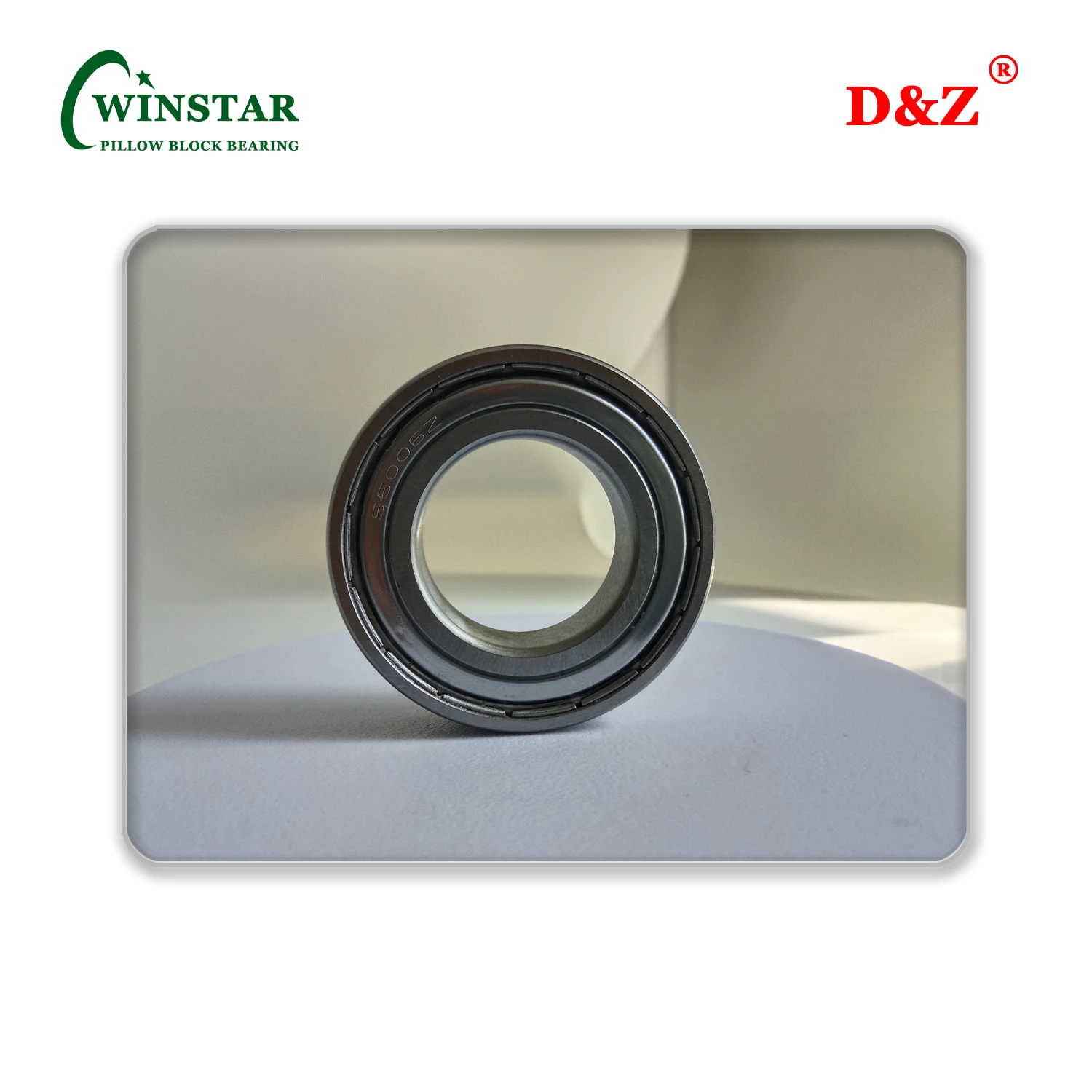
Our Miniature Deep Groove Ball Bearing is a prime example of how new technologies have allowed us to create high - performance bearings in a small package. These bearings are used in everything from small consumer electronics like drones and smartphones to precision medical instruments.
Despite their small size, they can still handle relatively high loads and operate with low friction, thanks to the advanced materials and manufacturing techniques used in their production.
Different Types of Ball Bearings and Their Improved Performance
Let's take a look at some of the specific ball bearings we offer and how new technologies have enhanced their performance.

Ball Bearing 6000 2rs
The Ball Bearing 6000 2rs comes with rubber seals on both sides. The rubber seals are made using advanced polymer materials that are more flexible and durable. They provide better protection against contaminants like dust and moisture, which can significantly improve the bearing's lifespan, especially in dirty or wet environments.

Ball Bearing 6000 ZZ
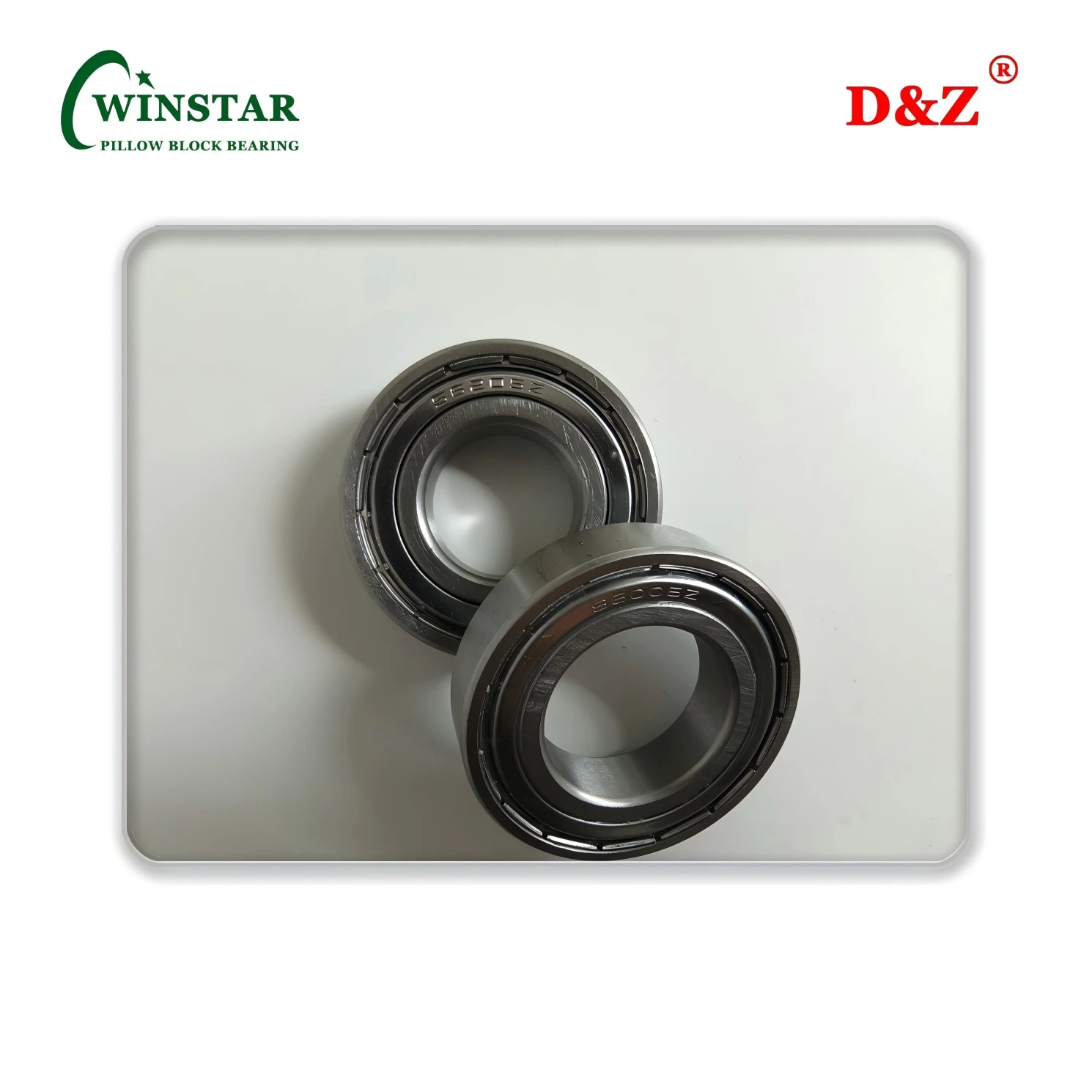
The Ball Bearing 6000 ZZ has metal shields on both sides. New manufacturing processes have made these metal shields more precise in their fit, providing better protection while still allowing for some ventilation to prevent heat buildup.
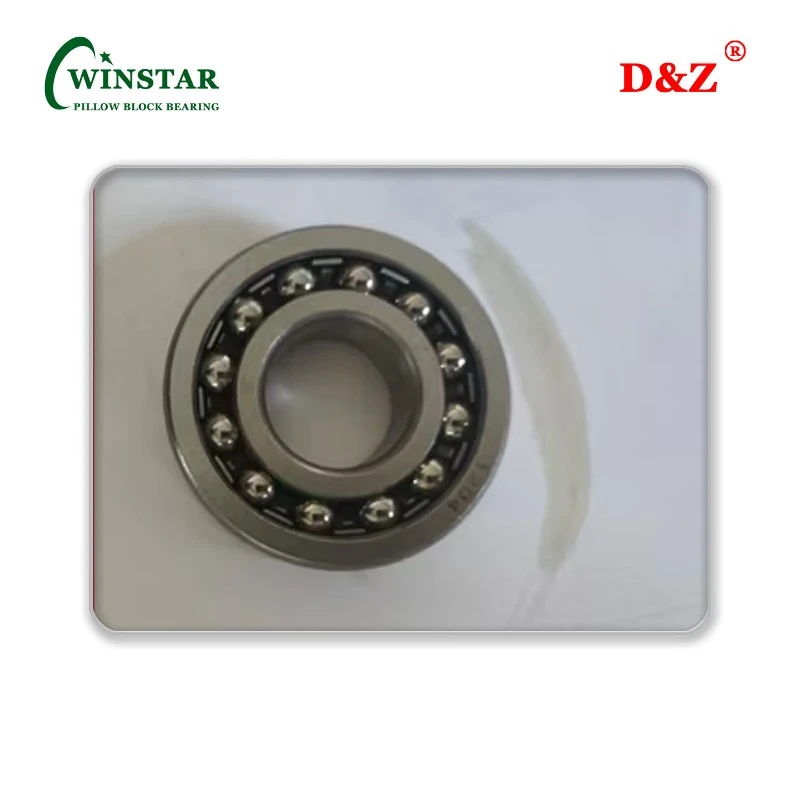
Ball Bearing 6000 Open
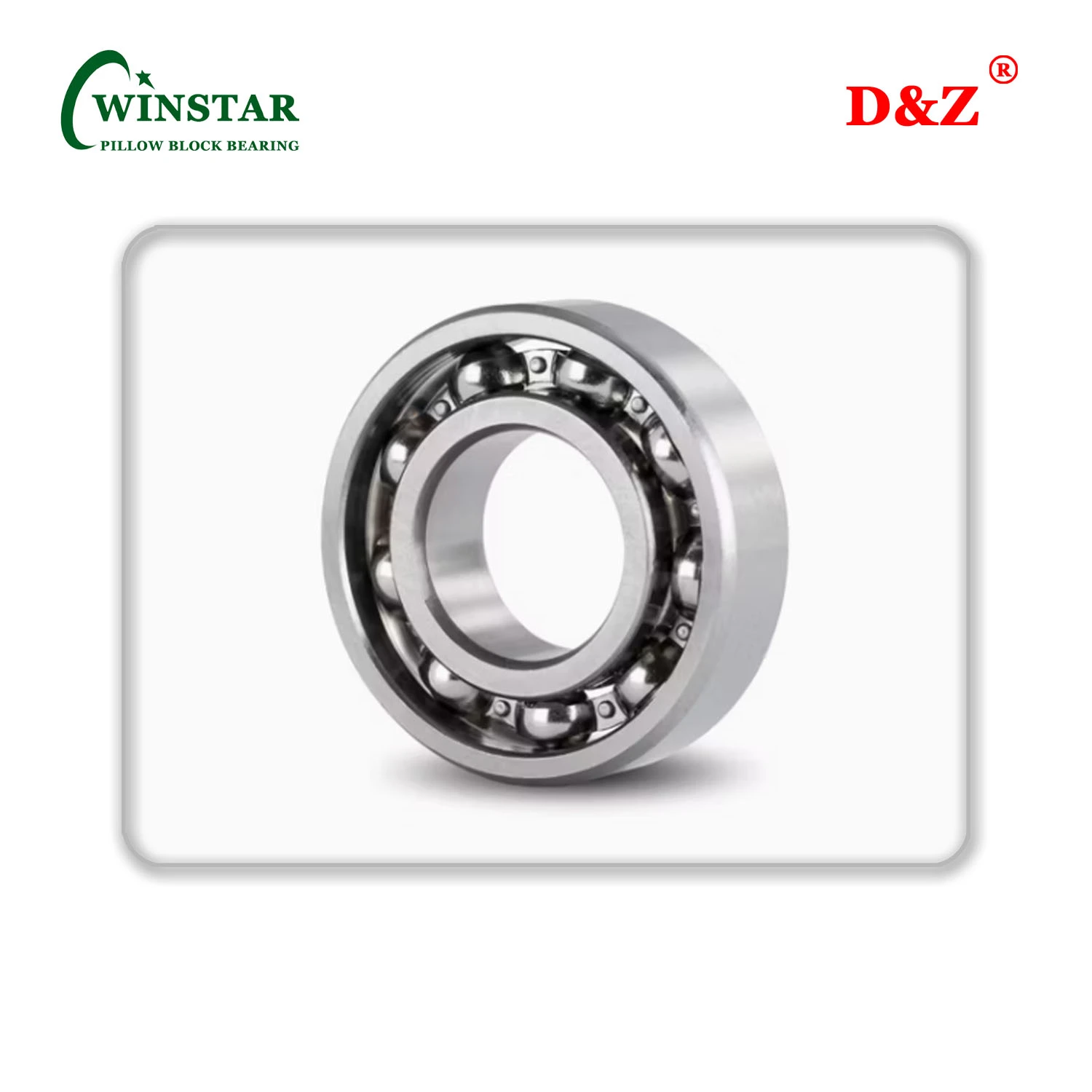
The Ball Bearing 6000 Open is a classic design, but new technologies have improved its internal components. The balls and races are made from advanced materials and manufactured with high precision, resulting in lower friction and better load - carrying capacity.
Conclusion and Call to Action
As you can see, new technologies have had a profound impact on the performance of ball bearings. Whether it's through better materials, more precise manufacturing, innovative lubrication, sensor integration, aerodynamic design, or miniaturization, ball bearings are now more reliable, efficient, and durable than ever.
If you're in the market for high - quality ball bearings, we're here to help. We've got a wide range of ball bearings, including the ones mentioned above, that can meet your specific needs. Whether you're in the automotive, aerospace, industrial, or consumer electronics industry, we have the right bearing for you. Reach out to us to start a discussion about your requirements and how we can provide the best ball bearing solutions for your applications.
sales@winstarbearing.com
+86 16632960682