
the-role-of-mounted-bearings-in-conveyor-systems
Mar 16, 2026
Hey there! As a supplier of Mounted Bearings, I'm super stoked to chat about the role these nifty components play in conveyor systems. Conveyor systems are all over the place, from factories and warehouses to airports and food processing plants. And guess what? Mounted Bearings are like the unsung heroes that keep these systems running smoothly.
what Mounted Bearings are
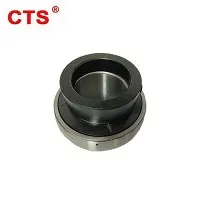
First off, let's get clear on what Mounted Bearings are. They're basically a combination of a bearing and a housing unit. The housing is designed to support the bearing and make it easy to install and align in a machine. There are different types of Mounted Bearings, like Bracket Flange Bearing Unit, 2 Bolt Flange Bearings, and Solid Base Pillow Block Bearing. Each type has its own unique features and is suitable for different applications in conveyor systems.
roles
One of the main roles of Mounted Bearings in conveyor systems is to reduce friction. Conveyor belts move a whole lot of stuff around, and without proper bearings, the amount of friction between the moving parts would be huge. This would not only make the system less efficient but also cause a lot of wear and tear on the components. Mounted Bearings are designed to have low friction coefficients, which means they can spin freely and allow the conveyor belt to move smoothly. This not only saves energy but also extends the lifespan of the conveyor system.
Another important role is to support the weight of the conveyor belt and the load it's carrying. Conveyor systems are often used to transport heavy items, like boxes, pallets, or raw materials. The Mounted Bearings need to be able to handle this weight without failing. They're engineered to have high load-carrying capacities, so they can keep the conveyor belt in place and prevent it from sagging or breaking under the weight.
Alignment is also a crucial aspect. In a conveyor system, all the components need to be properly aligned for the system to work correctly. Mounted Bearings are designed to be easy to install and align. They come with features like adjustable housings or self-aligning capabilities, which help ensure that the bearings are in the right position. This is important because misaligned bearings can cause uneven wear, vibration, and even system failure.
the different types of Mounted Bearings and how they're used in conveyor systems.
Now, let's talk about the different types of Mounted Bearings and how they're used in conveyor systems
Bracket Flange Bearing Unit
These bearings are great for applications where you need a compact and lightweight solution. They're often used in small to medium-sized conveyor systems, like those in packaging or assembly lines. The flange design allows for easy mounting on a flat surface, and the bearing inside can handle radial and axial loads. This makes them versatile and suitable for a variety of conveyor belt configurations.
2 Bolt Flange Bearings
As the name suggests, these bearings have two bolts for mounting. They're commonly used in conveyor systems where you need a more secure and stable mounting option. The two-bolt design provides better support and helps prevent the bearing from moving around during operation. They're often found in larger conveyor systems, like those in mining or manufacturing plants, where the loads are heavier and the operating conditions are more demanding.
Solid Base Pillow Block Bearing
These are the heavy-duty players in the Mounted Bearing world. They have a solid base that provides excellent stability and support. Solid Base Pillow Block Bearings are typically used in large conveyor systems that carry extremely heavy loads, like those in the steel or cement industries. They can handle high radial loads and are designed to withstand harsh environments, including dust, dirt, and high temperat
In addition to these functions, Mounted Bearings also play a role in reducing noise and vibration in conveyor systems. When a bearing is working properly, it spins quietly and smoothly. But if there's a problem, like a misalignment or a worn-out bearing, it can cause a lot of noise and vibration. This not only makes the workplace unpleasant but can also indicate a potential issue that needs to be addressed. By using high-quality Mounted Bearings and ensuring they're properly installed and maintained, you can keep noise and vibration to a minimum.
Maintenance is also an important part of keeping Mounted Bearings in good working condition. Regular inspections can help detect any signs of wear or damage early on. This might include checking for things like excessive play, abnormal noise, or overheating. Lubrication is also crucial. Most Mounted Bearings need to be lubricated regularly to reduce friction and prevent wear. The type of lubricant and the frequency of lubrication depend on the specific bearing and the operating conditions.
As a Mounted Bearings supplier, I know how important it is to choose the right bearings for your conveyor system. That's why we offer a wide range of high-quality Mounted Bearings to meet the needs of different applications. Whether you're looking for a small, lightweight bearing for a packaging line or a heavy-duty bearing for a mining conveyor, we've got you covered.
If you're in the market for Mounted Bearings for your conveyor system, I'd love to have a chat with you. We can discuss your specific requirements and help you find the best solution. Don't hesitate to reach out and start a conversation about your conveyor system needs.
contact
As mentioned above, if you have any needs for bearing products or would like to learn more, please feel free to contact me. I will provide you with professional consultation and services, and I look forward to cooperating with you for mutual benefit.
sales@winstarbearing.com winstar1016
+8616632960682


References
Machinery's Handbook, Industrial Press Inc.
Bearing Design and Application Handbook, SKF Group