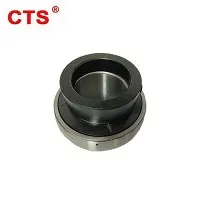

Are there any environmental impacts related to agricultural bearings manufacturing?
Apr 08, 2026
As a supplier of agricultural bearings, I've often been asked about the environmental impacts associated with our manufacturing processes. In this blog, I'll delve into the various aspects of environmental influence in the production of agricultural equipment bearings, including raw material extraction, manufacturing operations, and end - of - life disposal.
Raw Material Extraction
The production of agricultural machinery bearing starts with the extraction of raw materials. Most bearings are made from steel, which is derived from iron ore. Iron ore mining has significant environmental impacts. Open - pit mining, which is commonly used for iron ore extraction, can lead to deforestation and habitat destruction. Large areas of land are cleared to access the ore, displacing wildlife and disrupting ecosystems.
In addition, the mining process consumes a vast amount of water. Water is used for dust suppression, ore processing, and equipment cooling. In regions where water is scarce, this can exacerbate water shortages and put pressure on local water resources. Moreover, the waste generated from mining, such as tailings, can contaminate soil and water. Tailings often contain heavy metals and other pollutants that can leach into thesurrounding environment, posing risks to human health and the ecosystem.
However, our company is committed to sourcing raw materials from responsible suppliers. We work with suppliers who adhere to strict environmental standards and sustainable mining practices. This includes minimizing land disturbance, reducing water consumption, and properly managing waste.

Manufacturing Operations
The manufacturing of agricultural machinery bearing involves several energy - intensive processes. Forging, heat treatment, and machining are all steps that require a significant amount of energy. Most of this energy comes from fossil fuels, which contribute to greenhouse gas emissions. The high - temperature processes in forging and heat treatment release large amounts of carbon dioxide into the atmosphere, contributing to global warming.
To address this issue, we have implemented energy - efficient technologies in our manufacturing facilities. We have installed high - efficiency motors and lighting systems, and we have optimized our production processes to reduce energy consumption. We are also exploring the use of renewable energy sources, such as solar and wind power, to power our operations.
Another environmental concern in manufacturing is the use of lubricants and coolants. These substances are essential for the machining process, but they can also be a source of pollution. Lubricants and coolants can contain hazardous chemicals that can contaminate soil and water if not properly managed. Our company has a strict waste management system in place to ensure that these substances are recycled or disposed of safely. We also use environmentally friendly lubricants and coolants that have a lower impact on the environment.
Product Design and Innovation
In recent years, we have been focusing on product design and innovation to reduce the environmental impact of our agricultural bearings. We are developing bearings that are more durable and require less maintenance. This not only reduces the frequency of replacement but also extends the lifespan of the product, reducing the overall demand for raw materials.
For example, our HC200 Series Insert Bearing is designed with advanced materials and manufacturing techniques to improve its performance and durability. The bearing has a longer service life, which means less waste generation over time. Similarly, our UK Series Bearing and UCX Series Insert Bearing are engineered to be more energy - efficient, reducing the energy consumption of agricultural machinery.

End - of - Life Disposal
When agricultural machinery bearing reach the end of their useful life, proper disposal is crucial to minimize environmental impact. Bearings contain metals and other materials that can be recycled. Recycling not only reduces the demand for new raw materials but also saves energy compared to producing new bearings from scratch.
Our company encourages customers to return used bearings for recycling. We have established a recycling program to ensure that the materials from these bearings are properly recovered and reused. This not only helps to reduce waste but also contributes to a more circular economy.
Conclusion
In conclusion, the manufacturing of agricultural bearings does have environmental impacts, but through responsible sourcing, energy - efficient manufacturing processes, product design innovation, and proper end - of - life disposal, we can minimize these impacts. As a supplier, we are committed to continuous improvement in environmental performance.
If you are in the market for high - quality agricultural bearings and are interested in learning more about our products and our environmental initiatives, we invite you to contact us for a procurement discussion. We are ready to provide you with the best solutions for your agricultural machinery needs.
contact
As mentioned above, if you have any needs for bearing products or would like to learn more, please feel free to contact me. I will provide you with professional consultation and services, and I look forward to cooperating with you for mutual benefit
sales@winstarbearing.com
+86 16632960682
References
"Environmental Impacts of Mining." United Nations Environment Programme.
"Energy - Efficient Manufacturing Technologies." International Energy Agency.
"Sustainable Product Design for the Circular Economy." World Economic Forum.